Choosing a Pittsburgh wedding venue gets easier when you start with the logistics that shape your timeline. For couples considering The Whitehall House, a few public details are especially helpful up front: it’s listed with a 4.8 rating from 58 reviewers, and the venue is located at 4201 Brownsville Rd, Pittsburgh, PA 15227. Couples can reach the venue directly at +1 412-334-4915 and can view updates on the official site, thewhitehallhouse.com.
This venue guide focuses on confirming practical planning factors—parking, staging access, and how guests move from ceremony to reception—so your day doesn’t get derailed by avoidable friction. The Whitehall House’s directions indicate it’s in Brentwood adjacent to the John F. Slater Funeral Home, which can matter for circulation, signage, and how nearby activity affects wayfinding during your event window.
Onsite parking plus nearby options: build arrival time into your plan
When guests arrive, you want fewer “where do I park?” moments and more time for introductions, photos, and relaxing before the ceremony. The venue’s listings highlight onsite parking, with on-street parking along Brownsville Road and nearby side streets as additional options.
Even with onsite parking, it’s smart to map arrivals in your timeline. Before you lock in your schedule, confirm how parking works during your event window: whether there are any dedicated spaces for vendor vehicles, and whether the venue recommends different arrival times for guests versus vendors. If your wedding includes guests using rideshare pickup or family members who need easier drop-off points, ask where those drop-offs should happen so people aren’t forced to navigate unfamiliar traffic patterns.
Ceremony-to-reception flow: plan staging so setup doesn’t bottleneck
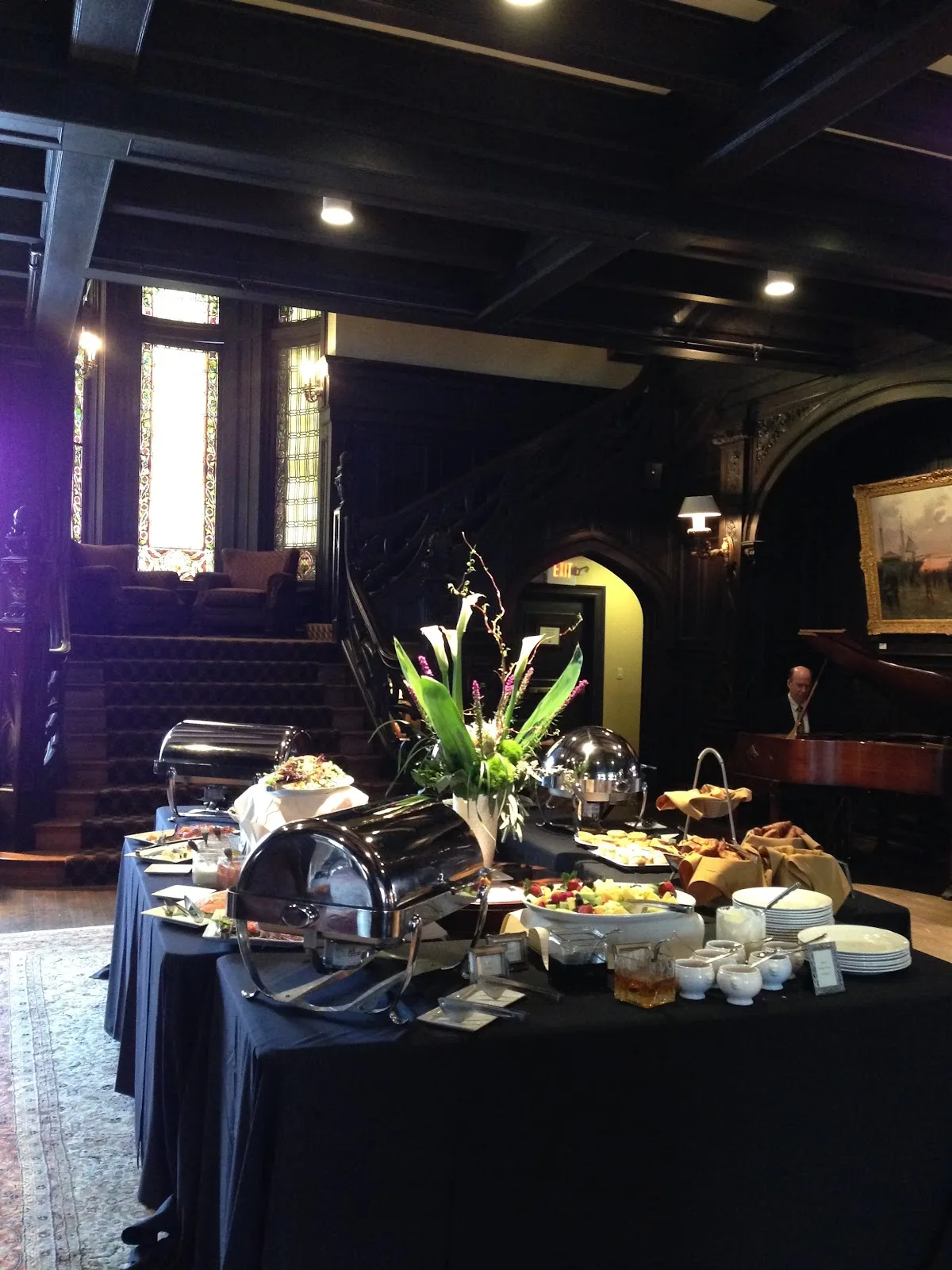
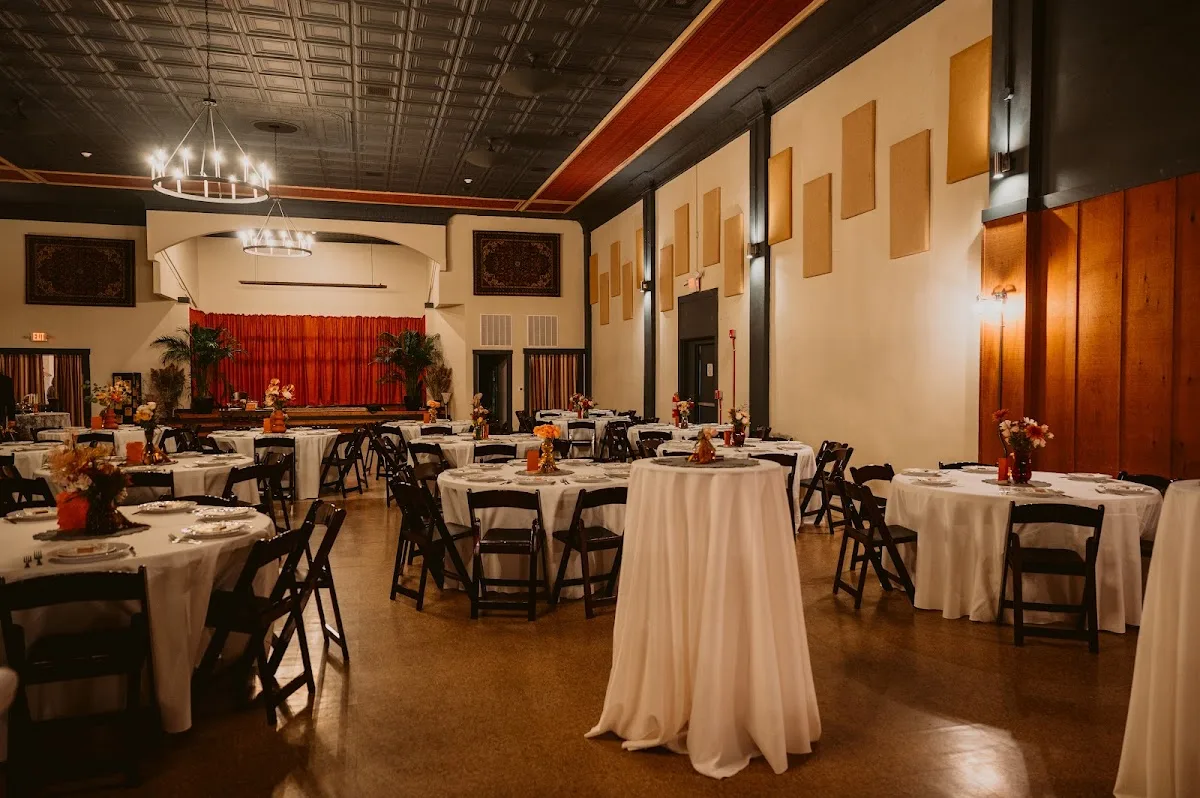
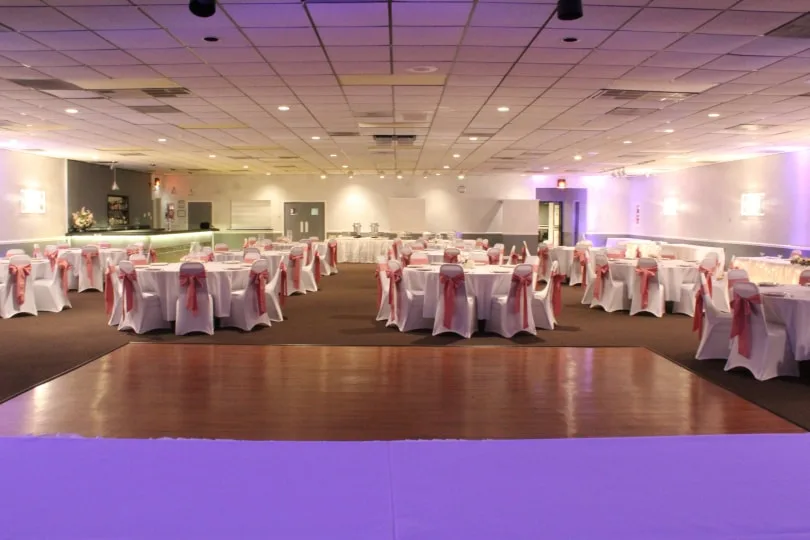
Venue layout affects timing, especially when multiple teams are working at once. While you’ll learn the exact room configuration during your tour, you can still prepare your timeline by thinking in “flow” terms: ceremony area, transition, cocktail space, and reception area.
As part of your planning, document where vendors will stage items before they’re moved to their final placement—food, florals, audiovisual equipment, and rentals. Then build your ceremony start time around setup needs, so teams have a clear window to move items without pressure. For many couples, that means treating the ceremony start time not just as an aesthetic milestone, but also as a working boundary for load-in and final touches.
Vendor arrival waves: align deliveries, setup, and staffing
Even when onsite parking is available, vendor needs aren’t always identical. Setup for one team may be earlier, while deliveries may arrive later, and staffing schedules can vary by role. Instead of assuming one single drop-off moment, ask for a simple schedule window that helps your florist, planner, caterer, and DJ coordinate their own arrival waves around the venue’s setup flow.
Brentwood context: what “adjacent” means for wayfinding and guest orientation
The Whitehall House is described in its directions as located in Brentwood adjacent to the John F. Slater Funeral Home. That may not create issues for most weddings, but it’s still a concrete neighborhood detail that can affect how guests orient themselves, how signage should be placed, and how you handle separate nearby event activity.
During your booking conversations, ask how the venue manages guest circulation if other nearby events are occurring during your timeframe. Consider questions like whether there are shared entrance concerns you should account for, and whether signage will help guests quickly understand where to go. If your plan includes large-scale signage, shuttle drop-offs, or a specific photo route, confirm what adjustments (if any) are needed to keep movement smooth and predictable.
Confirm these specifics before you sign—so your timeline stays intact
Use the points below as conversation starters with the venue or your event coordinator. They’re designed to prevent timeline surprises by making sure parking, access, and coordination are aligned before your day arrives.
- Parking and access: Where should guests park, and where should vendors park?
- Setup windows: What time can each vendor begin load-in, and where will items be staged?
- Guest wayfinding: Are there recommended walking routes between ceremony and reception?
- Day-of coordination: Who is the main point of contact on wedding day, and how are schedule changes communicated?
With clear answers, you can build a timeline that feels calm—even at an intimate venue where every minute counts. The Whitehall House offers a solid starting point for planning with a confirmed Pittsburgh address, a published rating of 4.8 from 58 reviewers, direct contact details at +1 412-334-4915, and highlighted parking availability. Before you finalize, treat your tour like a mapping session: drive the arrival route, identify staging spots, and align your vendor plan with the access the venue can reliably support.