Planning a wedding at The Potomac View Terrace is a little different from planning a standard ballroom. This venue is built around an iconic skyline moment—so your layout, vendor movement, and schedule need to support the view instead of fighting it. Located at 2215 Constitution Ave. NW, Washington, DC 20437, the property’s public contact details list both an address and a way to confirm event logistics directly through the venue.
Here’s how to approach the day-of plan with the right questions and checks, so the “wow factor” stays seamless from ceremony handoff to reception time.
Start with the venue’s structure: open-air space plus a seasonal enclosure
Many rooftop venues sound simple until you plan weather, guest comfort, and vendor access. The Potomac View Terrace is promoted publicly as a rooftop/event space, and planning should treat it as a combination of outdoor staging and an indoor-style seasonal enclosure. That means you should confirm—in writing—how your floor plan changes between open-air setup and enclosure use.
Ask what portion of your event will be outdoors, where your ceremony congregation will stand, and how the transition happens if the enclosure is used. If your vendors rely on specific staging positions (DJ booth, band sightlines, photo backdrops), the enclosure decision affects them more than you might think.
Build your run of show around sightlines, not just rooms
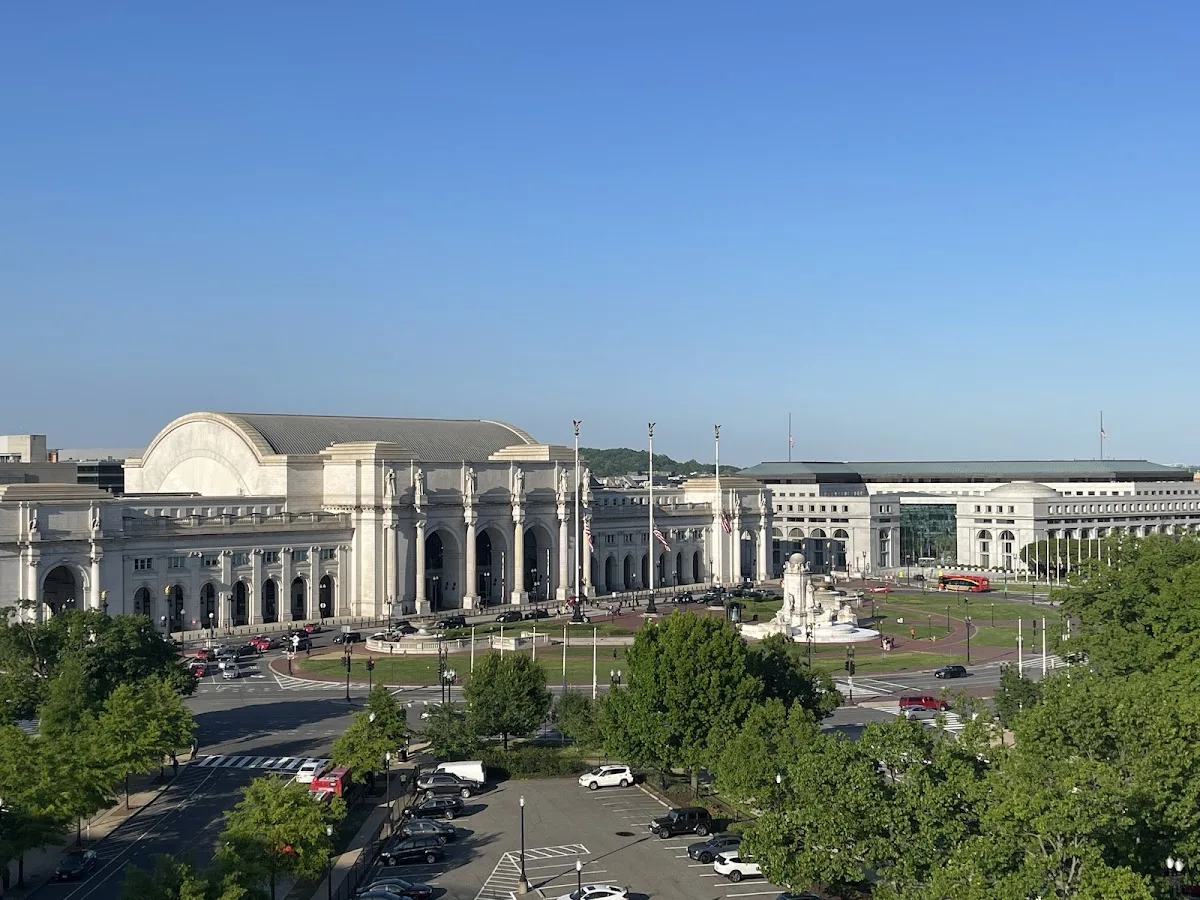
Because the venue’s identity is tied to landmark views along Constitution Avenue, your schedule should include intentional “visibility moments.” Instead of treating portraits and speeches as separate blocks, plan them so you’re not constantly moving guests at the exact time you want everyone looking outward.
For example, schedule the ceremony so guests have a clear view orientation, then time the first cocktail or reception moment to reduce congestion at entrances or deck edges. If your timeline includes a portrait session, coordinate with your photographer about where guests will wait and how long it takes to reset the flow.
Clarify how guest entry and vendor load-in will work
Rooftop venues can have bottlenecks when you’re moving equipment, décor, and serving supplies. Use the venue’s public contact channel to confirm operational details such as entry flow for guests versus vendor teams and where deliveries are staged before setup. Having an explicit load-in plan helps you avoid delays right before key moments.
At minimum, plan to ask for an agreed arrival window for vendors, the expected coordination point on event day, and any restrictions that affect what can be carried and where. For wedding planning, these details determine whether your timeline is “comfortable” or “rushed.”
Plan catering and staffing logistics like they’re part of the design
The most beautiful views won’t matter if service flow is awkward. When you’re planning the reception, treat catering as a movement problem: where dishes are staged, how servers pass through the space, and where guests queue (especially during peak transitions like first toast, cake cutting, or late-night service).
If you already have caterer or bar preferences, share your intended ceremony and reception layout early. Then confirm whether the venue has guidelines that impact staging zones, service timing, or equipment placement. Even when the venue rental covers space and building-related services (confirm specifics during your booking conversation), you still want alignment on day-of logistics so the experience feels effortless.
Use the official contact info to confirm current venue details
Before you sign, verify critical event terms using the venue’s official contact page. The venue provides public contact information online, including the official website and address. For practical planning, reach out with a short list of your schedule assumptions (ceremony start time, enclosure plan, vendor arrival window) and ask for written confirmation.
What to include in your message: event date, estimated guest count, whether you want outdoor ceremony styling or enclosure-first styling, and your vendor load-in timing. You can reference the venue at http://www.potomacviewterrace.com/contactus.html and confirm contact details directly.
Questions that directly protect your timeline
To keep planning decisions grounded, ask these questions during your first venue call:
1) When does the venue finalize the open-air vs seasonal enclosure setup for the event day?
2) Where do guests enter and wait during ceremony-to-reception transitions?
3) Where should vendors stage equipment before setup, and what are the access rules for that staging area?
4) How does the enclosure change your layout for dining, bar service, and staging?
With those answers, you can design a schedule that respects the rooftop experience while keeping everyone moving smoothly—from first look to last toast.