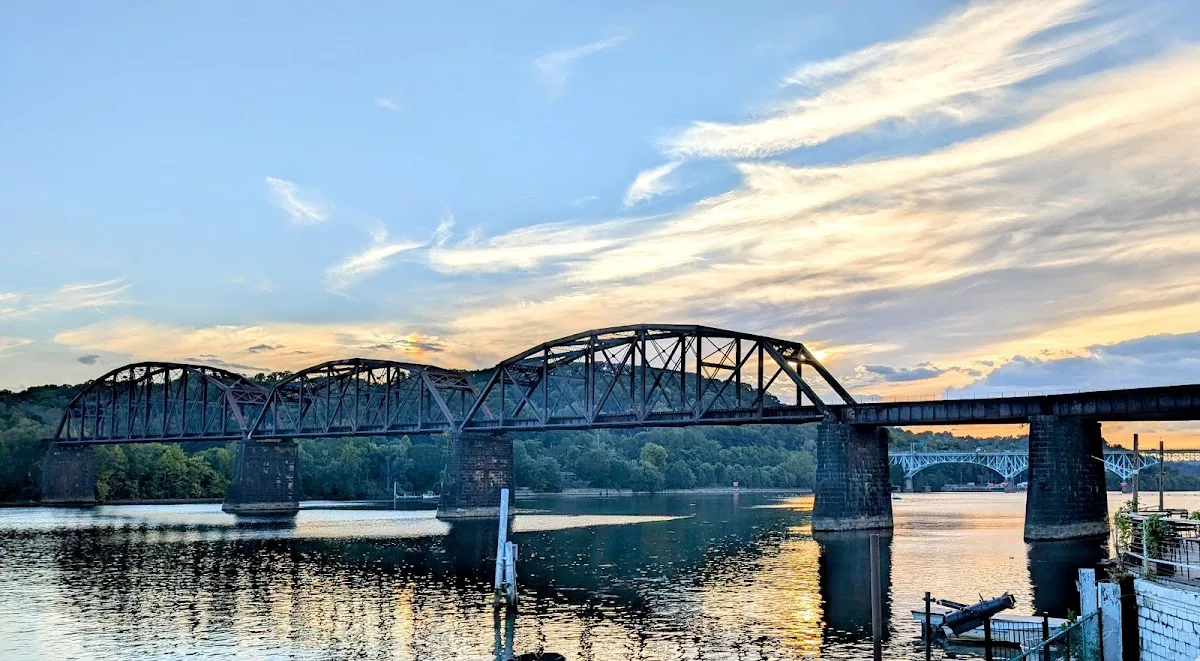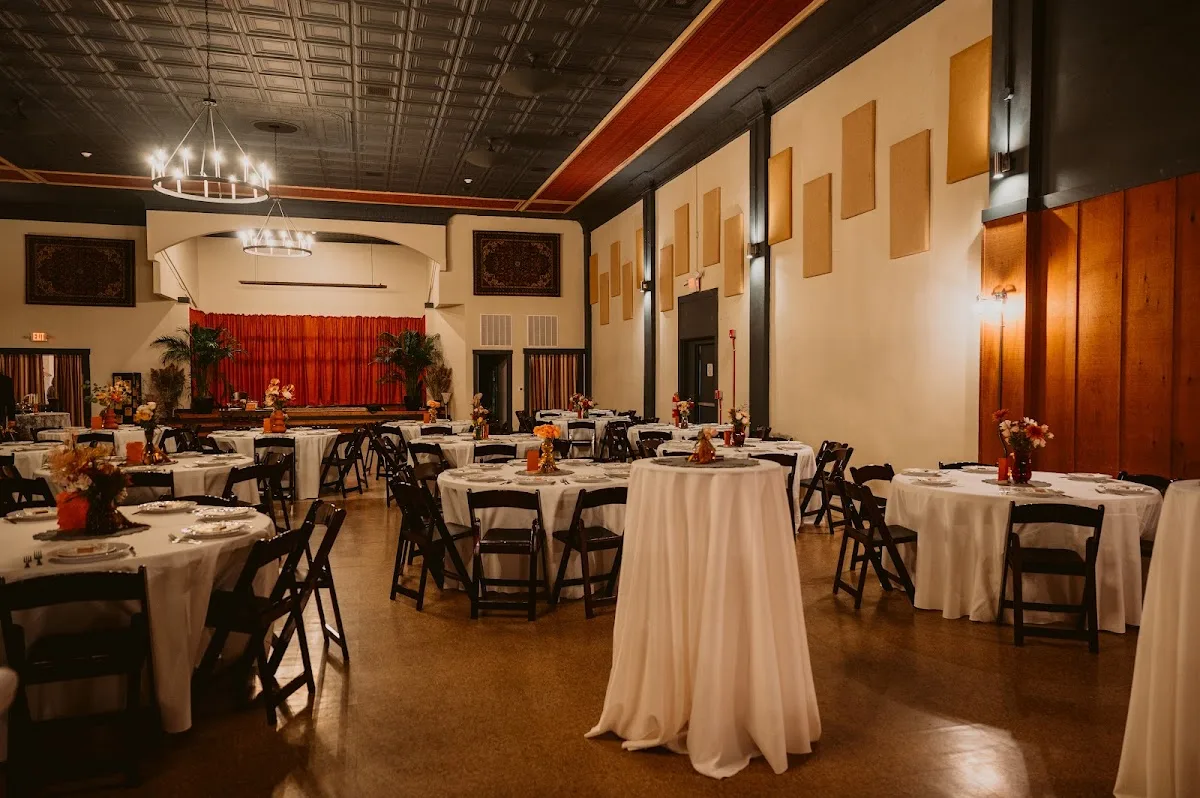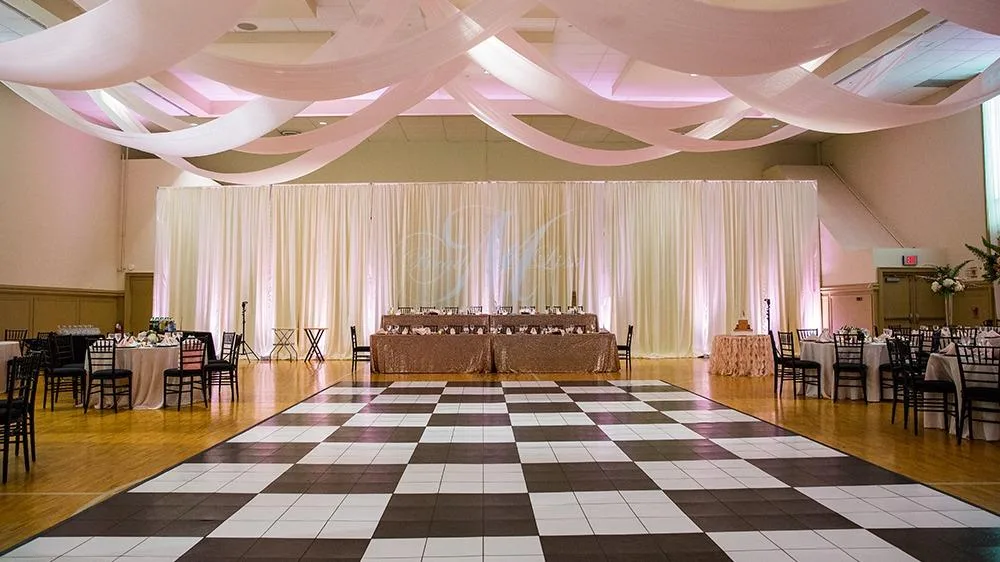
Choosing a wedding venue with serious visual impact is only half the battle. The other half is making sure your ceremony-to-reception flow, vendor logistics, and guest experience are workable on the day you actually need them. The Terrace in Pittsburgh is often described as a waterfront reception space with sweeping river views, and its public details give you a solid starting point for planning: address 2795 S Water St, Pittsburgh, PA 15203, phone +1 412-315-2008, and an official contact path at http://www.pittsburghterrace.com/contact.php. It also stands out for its outdoor orientation and a 6,000 square foot tented terrace.
Below is a venue-focused way to judge whether The Terrace matches your wedding priorities—without relying on photo assumptions.
Start with the waterfront layout: how you’ll move guests from ceremony to dinner
Because The Terrace is positioned as an outdoor waterfront space, your timeline should be built around transitions. On a tour, pay attention to (1) where ceremony seating or staging will be set up relative to the reception entry and (2) whether guests have a clear, low-confusion walking path from one zone to the next.
Ask the venue how they prefer the flow to be handled for your specific guest count and format. For example: does the ceremony staging share space with reception staging? Where does the DJ/band setup typically land? You don’t need a scripted answer—what you need is clarity on what the team can realistically coordinate.
The 6,000 sq. ft. tented terrace: comfort tradeoffs you should plan around
The venue’s official contact information emphasizes that the terrace is a “6,000 square foot tented terrace,” designed to create ambiance for either a laid-back evening or a formal affair. Tenting can be a huge advantage for weather planning, but it also creates design and logistics considerations.
During planning, confirm how tenting affects lighting, sound, and decor. In particular, ask about ceiling height and any limitations that matter for hanging signage, draping, or overhead installations. If you’re hiring a lighting designer or planning an installation-heavy look, bring visual references and ask what’s permitted and what becomes a “no” once the tent structure is in place.
You’ll also want to discuss how staff will manage guest comfort during transitions—especially if your ceremony is outdoors and your reception is inside the tent footprint.
Weather planning should be a real conversation, not a checkbox
Don’t assume tenting automatically equals “problem solved.” Ask what happens if it’s raining at the exact moment you need to move people, or if wind becomes a factor on waterfront property. The goal is to understand the operational playbook: what gets covered, what gets delayed, and how the venue keeps vendors positioned safely.
Vendor logistics: staging, load-in, and where the day can get stuck
Even great venues can feel difficult when load-in points and staging areas aren’t obvious. With The Terrace, treat logistics as part of your aesthetic planning. Public signals list parking as an amenity, but you still need specifics for your vendors’ arrival windows.
When you tour, map your vendor flow on paper: photographer routes, catering drop-off, florals staging, and where a cake table or dessert display can be placed without blocking guest movement. Then ask how vendors are expected to access the terrace area, how setup timing is handled, and what the venue requires for vendor coordination.
Plan for “quiet time” buffers
If you want portraits to stay calm, build buffers between ceremony wrap, vendor setup, and guest cocktail time. Outdoor-to-tented transitions often take a few extra minutes—especially when multiple vendors are moving at once.
How to verify fit before you sign: the questions that actually reduce risk
You can get a clearer answer than “Is this a good venue?” by asking targeted confirmation questions. Start with the venue’s official contact path (http://www.pittsburghterrace.com/contact.php) and bring these points to the conversation:
1) Setup boundaries: Where are ceremony staging and reception entrances relative to the tented terrace?
2) Installation limits: What’s allowed overhead or near tent structure elements?
3) Weather operations: What is the plan if rain or wind changes the timing?
4) Vendor flow: How do vendors arrive and where do they stage?
If you can get clear answers in writing or in a site walkthrough, you’ll know whether The Terrace’s waterfront look is supported by real-world day-of coordination.
The Terrace is the kind of venue where the setting can do a lot of the work—sweeping Monongahela River views and a large tented terrace are the headline advantages. Your job is to translate those strengths into a workable schedule and layout. With the right confirmations about flow, comfort, and logistics, you can plan a wedding that looks effortless and runs on time.