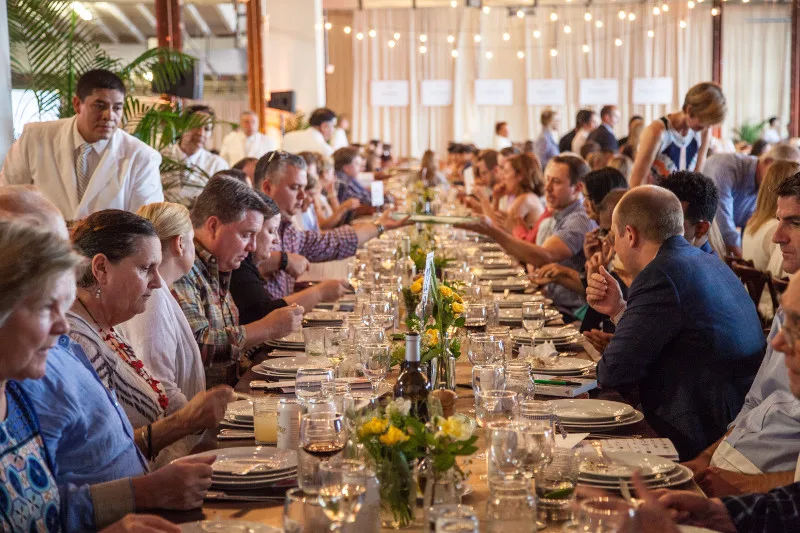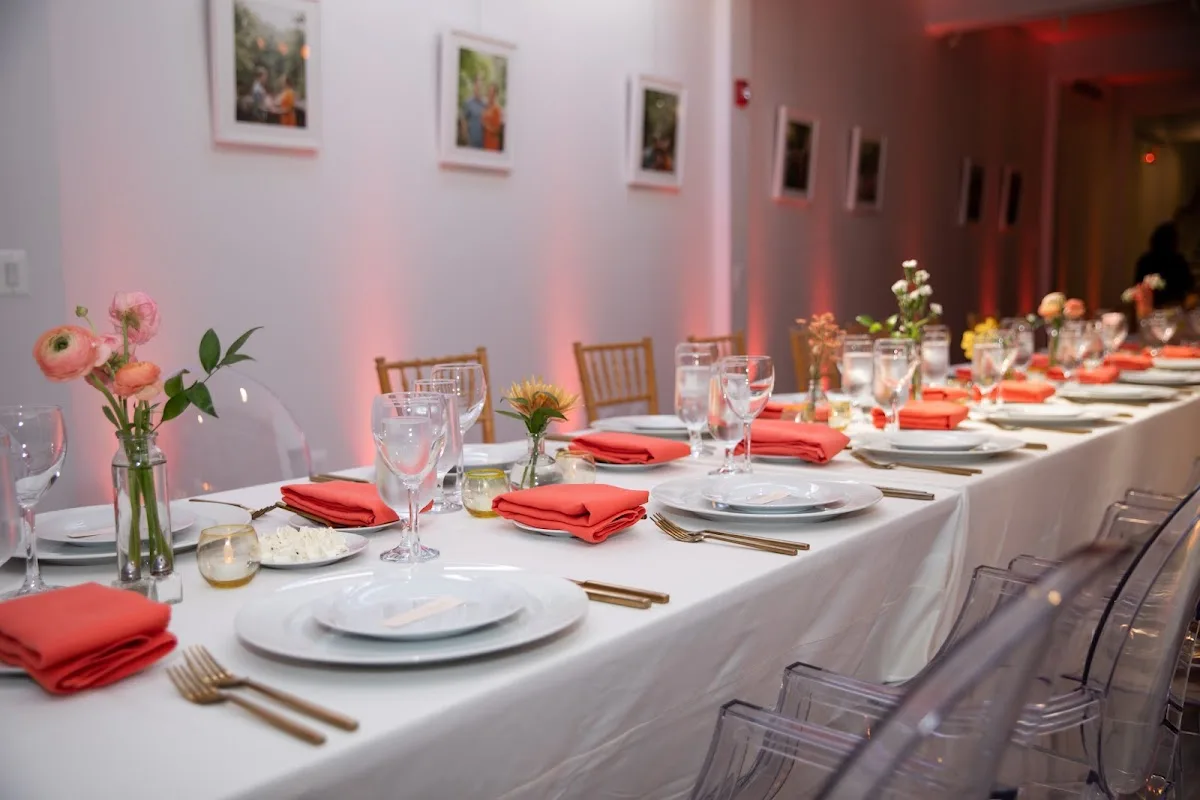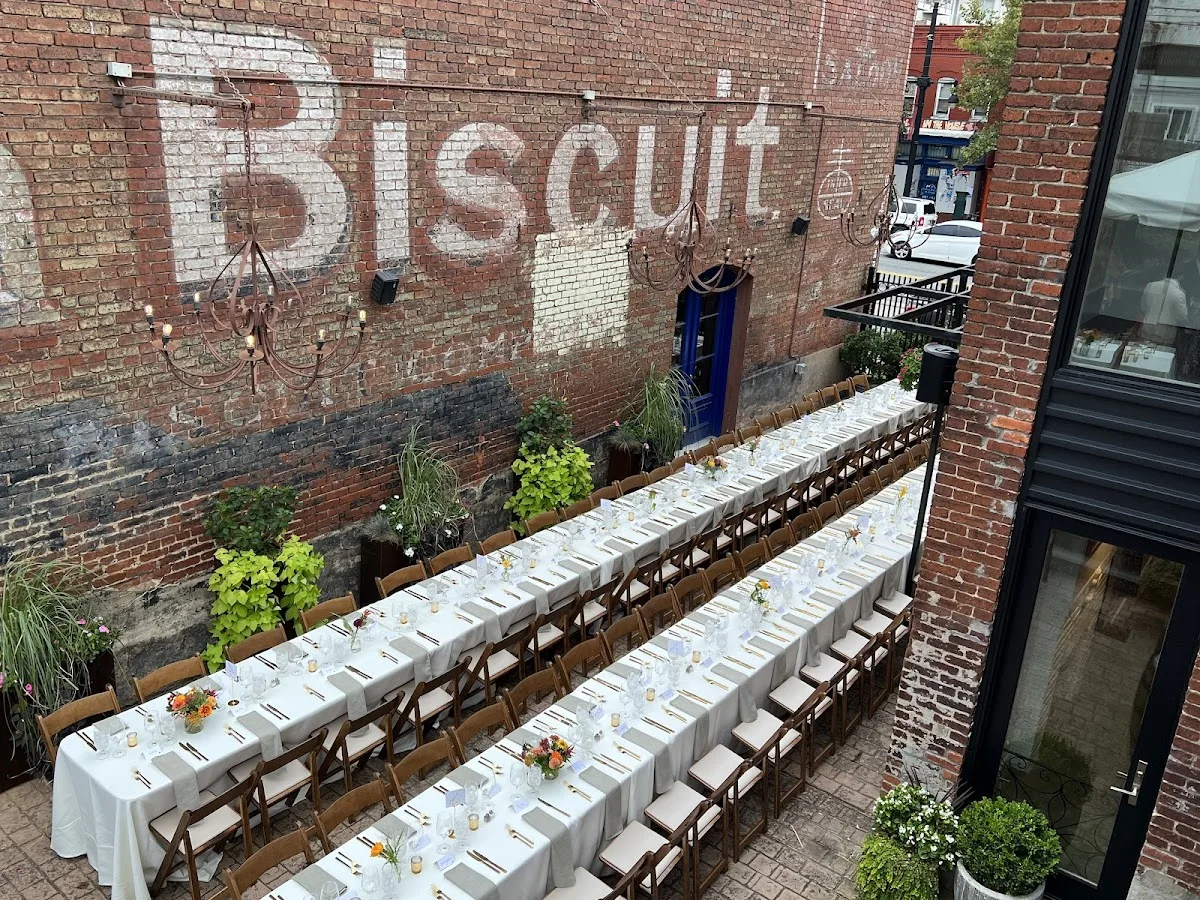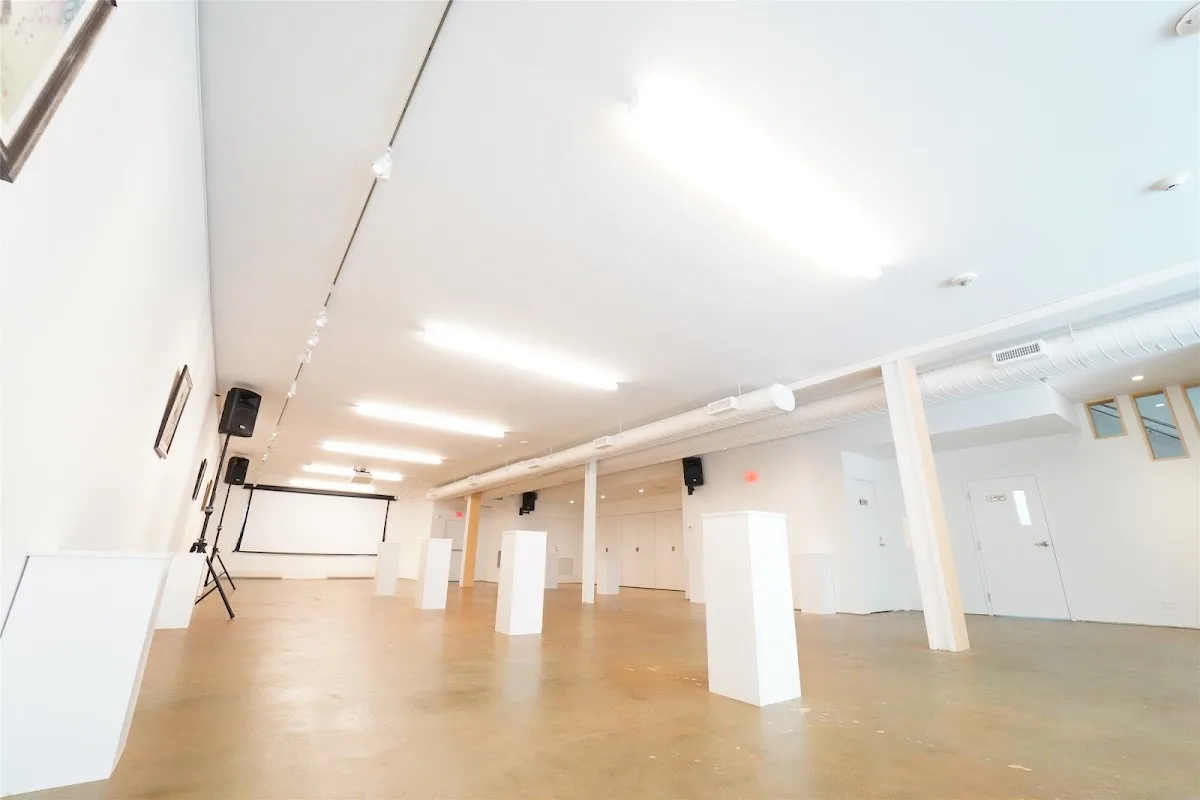
Long View Gallery is an art gallery and event venue in Washington, DC with a modern, gallery-style atmosphere—exactly the kind of space where your wedding day needs to be planned around movement, sightlines, and staging. If you love an indoor look with an intentional, creative feel, the best way to get a smooth day is to treat the venue flow (arrival, ceremony viewing, guest movement, and vendor setup) as part of the design—not as last-minute logistics.
Venue basics you’ll want on your run of show
Before you build timelines, anchor your planning to the concrete details. Long View Gallery is listed at 1234 9th St NW, Washington, DC 20001, United States and can be reached at +1 202-630-3122. The venue also shows strong guest feedback, with a 4.5-star rating from 131 reviews.
Because it’s categorized as Ballroom & Banquet while still functioning like an art-gallery environment, you’ll want to confirm how the room is typically arranged for events—and how that arrangement can support your ceremony-to-reception transition without breaking the gallery look you’re aiming for.
Plan the ceremony-to-reception transition around how people actually view the room
Gallery-style spaces often feel visually “complete,” so the practical planning move is to define what stays constant during the day and what changes. Start by identifying where the ceremony “anchor” point will be, then map how guests will move from ceremony seating to reception space.
In your timeline, include specific transition moments: when microphones get tested, when seating is cleared, and when any reception setup begins. Even if you’re hosting both moments indoors, you’ll get better results when you schedule the handoff between ceremony and reception like a workflow—so your team isn’t scrambling mid-moment.
If you’re planning portraits or a first look, build that into the same planning flow. Indoor gallery light and sightlines can shape where you can pause, where you can stage, and how easily your photographer can move without disrupting guest routes.
Set “creative boundaries” for the venue vibe
Instead of thinking about decoration as the main constraint, use the venue’s art-gallery atmosphere as a guiding boundary. Decide early what you want guests to see and how you want the room to feel, then confirm what areas shouldn’t be blocked by backdrops, lighting stands, or heavy signage.
This is where pre-planning helps: when you ask which zones are off-limits for staging and how your setup can preserve the gallery presentation, you reduce the chance of last-minute “we can’t do that here” decisions.
Parking and load-in: treat access as part of the guest experience
Long View Gallery lists Parking as a key amenity. That’s a great starting point, but the day-of experience depends on details—where cars enter, how vendors get to the setup area, and whether load-in/out happens before guests arrive or during active event time.
Add access planning into your vendor coordination. If your team needs a clear window for setup—whether it’s for floral staging, audiovisual equipment, or photography backdrops—ask for the timing that works with the building’s event flow. The smoothest weddings treat staging time as something to design around, not something to squeeze in after guests are already arriving.
Coordinate AV and catering needs to match an art-gallery layout
Even within a ballroom-and-banquet framework, a gallery layout can change practical requirements. Confirm microphone placement and power access, and ask how the room supports catering staging and any restrictions around kitchen or service areas. If you’re bringing special rentals or effects, ask how they should be approved and where they’ll be placed so the space still feels intentional.
Use the venue’s official event channel when you confirm inclusions
When you evaluate a venue, don’t treat it like a single “event space” with one standard set of rules. Use your questions to clarify what’s included and what isn’t—setup and teardown responsibilities, the rental timeline for your vendors, and the day-of access windows that affect your run of show.
The listing points couples to the venue’s official event channel, including an Eventbrite page for a Long View Gallery event experience: https://www.eventbrite.com/e/1982699506597. Use that as an additional reference point as you confirm logistics and scheduling details.
Make the venue-fit decision by matching your schedule to the flow
Long View Gallery is often a great match when you want an art-driven atmosphere and you’re willing to plan transitions carefully. Couples who build arrival, ceremony sightlines, and vendor staging into a single, connected plan tend to get the smoothest day—because the venue vibe becomes an asset rather than an unexpected constraint.
If you’re considering the space, start with a call to verify access and load-in timing, then align your rehearsal and run-of-show to those answers. With the right logistics in place, your wedding can keep the modern gallery aesthetic you’re excited about while moving smoothly from ceremony to reception.