Choosing Cescaphe Ballroom is often about more than aesthetics—it’s about whether your wedding day can move cleanly from guest arrival to ceremony staging, cocktail time, dinner, and dancing. If you’re comparing Philadelphia ballrooms, start by anchoring your planning around real logistics: the venue’s location at 923 N 2nd St, Philadelphia, PA 19123, United States, the main contact number +1 215-238-5750, and the official venue site https://www.cescaphe.com/. With a 4.7 rating from 239 reviewers, couples tend to care about both the look and how smoothly the day runs.
Below is a venue-focused guide to help you ask the right questions before you commit—so your ceremony and reception feel intentionally designed, not squeezed by the building.
Confirm your guest route: arrival, ceremony sightlines, and transition to dinner
For a ballroom, your timeline is only as good as the transitions. When you tour Cescaphe Ballroom, map the route in real time: where guests first enter, how they move from cocktail space to the reception floor, and what the ceremony-to-reception “turnover” looks like. Ask your venue contact how long the room typically needs to switch from ceremony setup to dining layout, and whether there’s a preferred staging area for your coordinator, officiant items, or aisle decor.
Test sightlines from guest positions, not just the front rows
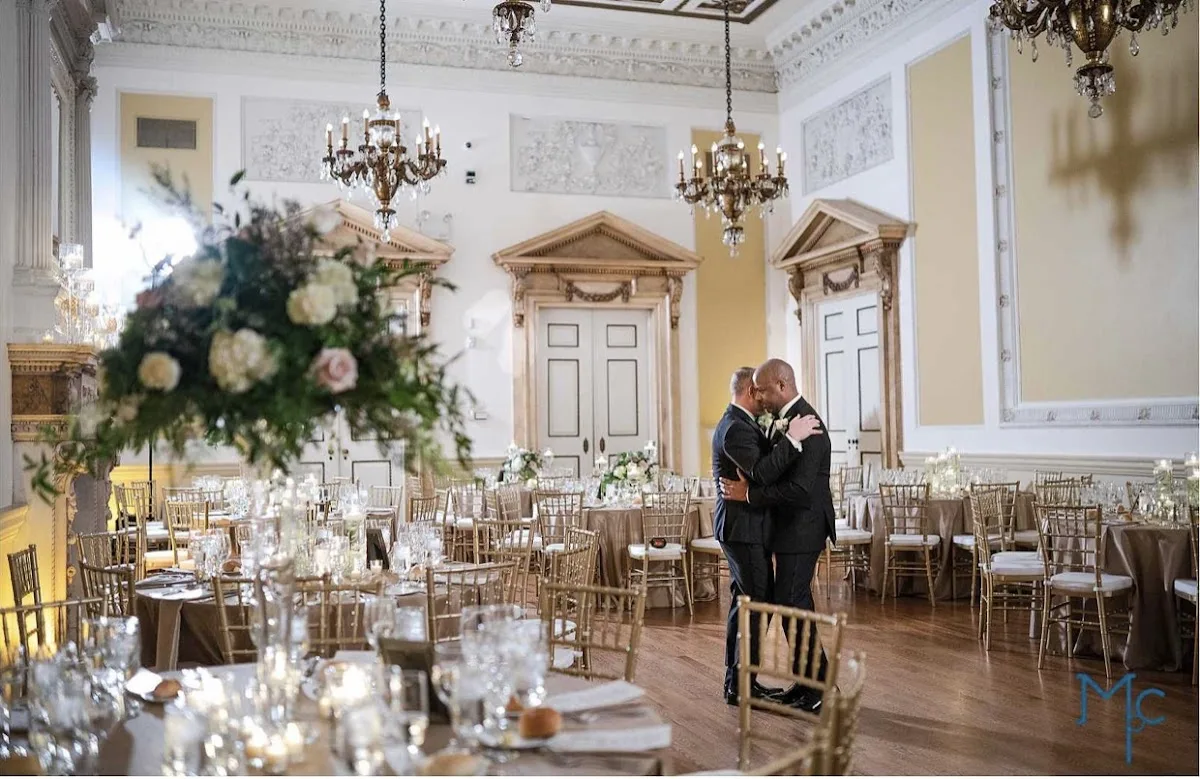
Ballrooms can look amazing from the center, but sightlines vary. During your walk-through, stand in the corners and near the back and check whether the candlelit stage or center focal point is visible without obstruction. If you plan a live band, DJ booth, or a performance-style entrance, confirm where sound and visual sightlines will be best relative to your floor plan.
Parking and access: plan transportation as part of your design
Your photography and guest experience depend on access. The venue listing highlights Parking as a key amenity, but don’t stop there—ask for the practical details that affect your day-of flow. For example: how guests should be directed from nearby streets, whether parking is gated or open, and if there are any peak-time constraints during arrival.
Build a transportation timeline around real traffic, not optimism
If your ceremony is timed tightly, consider the “arrival window” your coordinator will use. Then align shuttle drop-off/pick-up points with how guests will actually reach the ballroom entrance. This is especially important in Philadelphia where event days can cluster around popular streets.
Vendor logistics: what you need from Cescaphe Ballroom (before setup day)
Every venue has rules that shape how vendors work. Before signing, request written guidance for load-in, setup, and any restrictions on vendor access to the main ballroom floor. Clarify where your team can stage items (including signage, gifts, and specialty rentals) so you don’t lose time hunting for storage mid-turnover.
Entertainment, lighting, and sound: coordinate placement early
If you’re planning uplighting, a projection moment, or a dramatic first dance lighting cue, confirm any power access, restrictions, or preferred sightline spots for your DJ or band. Even when a ballroom feels “flexible,” the best results come from aligning your entertainment layout with the room’s built-in rhythm and sightlines.
Plan for the paperwork: confirm what’s included vs. what’s a partner decision
Official venue websites often frame the wedding experience as planned and coordinated, so it’s worth asking what that planning includes for your date. Using the official contact channel at https://www.cescaphe.com/, ask for specifics on what the venue handles directly (and what remains your responsibility or your vendor’s responsibility). If you’re using outside vendors, request their requirements in writing: insurance documentation, timing windows, and any limitations on floor coverings or equipment placement.
When you book Cescaphe Ballroom, think like a day-of producer: your goal is not just “having a beautiful room,” but creating a sequence guests can feel—arrival, ceremony focus, cocktail movement, and a seamless dinner-to-dance transition. With the address, phone, and official site as your planning anchor, you can build a checklist that’s tied to real logistics and reduce last-minute surprises.