Platform Thirty at Beat Street Station is a Philadelphia wedding venue built around a restored historic train station in the Manayunk neighborhood—an appealing choice for couples who want industrial character but still need a day-of plan that runs on time. Public details also point to a wide event footprint, with accommodations for up to 180 guests for dinner and dancing and up to 400 for cocktail-style celebrations.
Below is a venue-planning guide focused on what typically matters most when you tour: how guests move through the spaces, how ceremony and reception can be staged onsite, and which logistics you should confirm before you finalize your vendor lineup.
Start with the venue’s “built-in” personality: historic station features for real staging
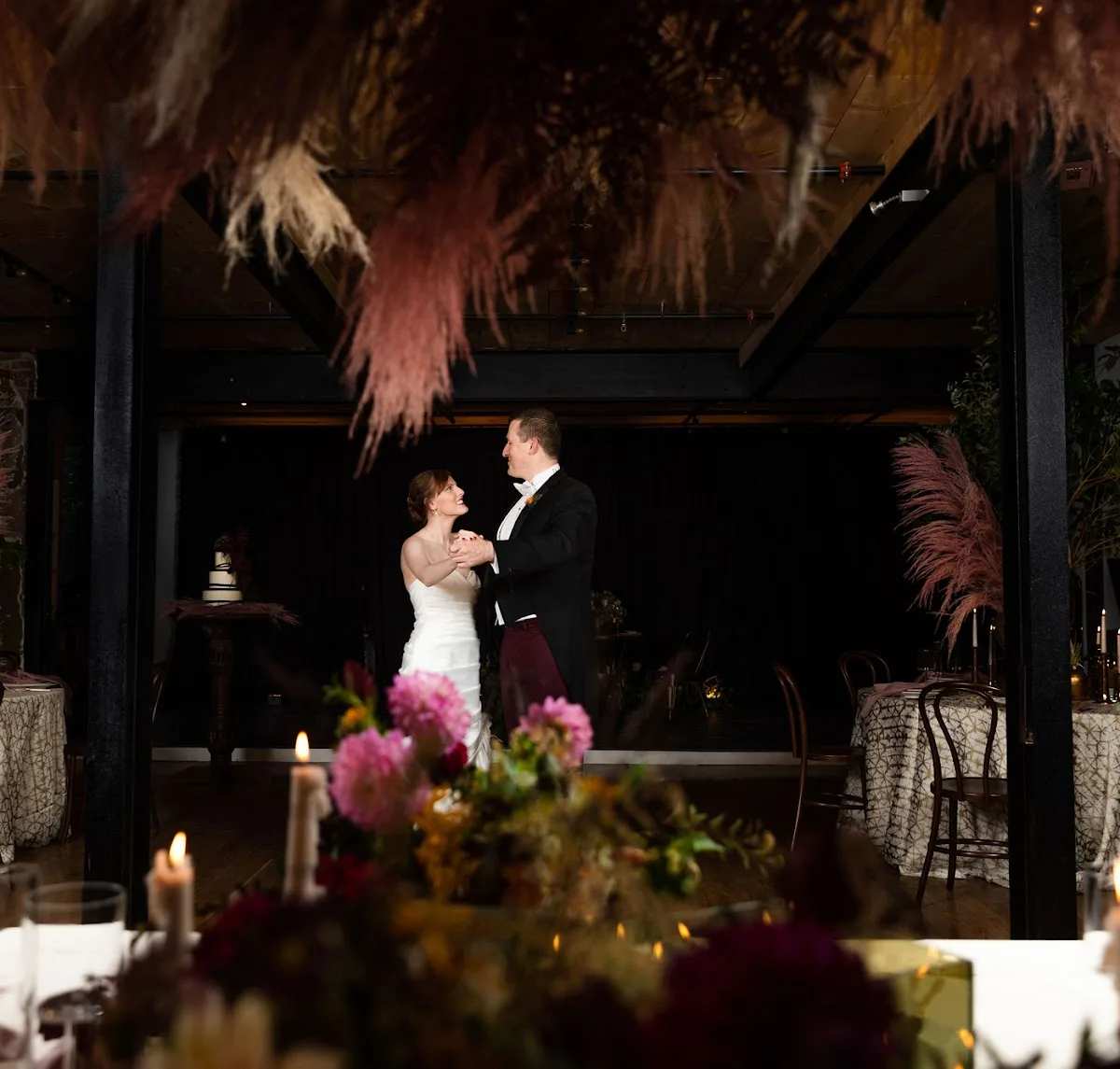
Platform Thirty’s official site describes the space as a restored train station transformation, highlighting elements like exposed architectural details, soaring ceilings, and dramatic lighting. That matters for wedding planning because these features influence where you’ll place sightline-critical moments—ceremony seating, the sweetheart or head table, and even the DJ/band setup for sound coverage.
When you tour, ask your planner (or you) to visualize a full guest journey: arrival, ceremony, cocktails, dinner, and dancing. Because the building is designed as a flexible event venue, your layout conversation should be anchored in how the architecture supports traffic flow rather than only how it photographs.
Capacity: translate the headline number into your exact layout
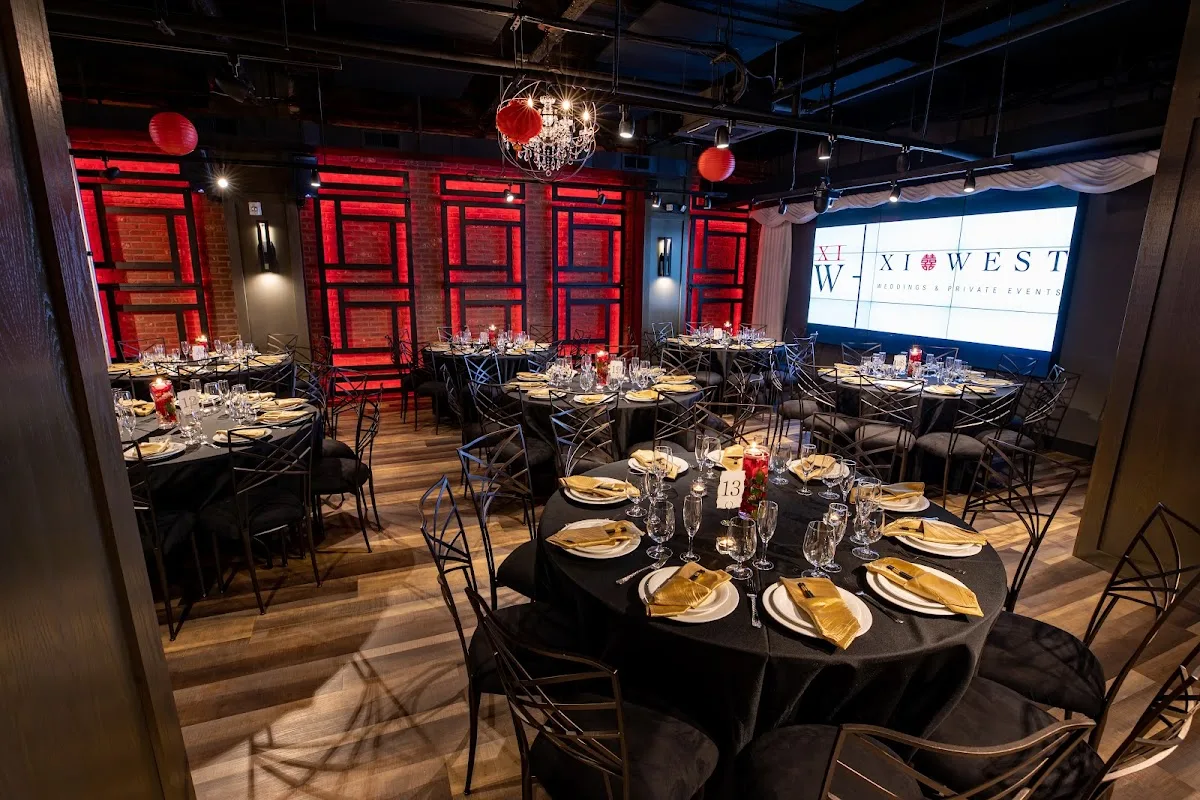
Official information states the venue can host up to 180 guests for seated dinner and dancing, and up to 400 guests for cocktail-style events. Instead of treating those as interchangeable “maxes,” translate your headcount into a layout: dance floor size, aisle width, staging footprint, and whether you need a dedicated area for a band or specialty performers.
Also bring your timeline assumptions. A space that can host a large cocktail crowd may still require adjustments for dinner service and any formal events you’re planning.
Confirm onsite ceremony + reception: where transitions can make or break the schedule
Many couples like the idea of holding ceremony and reception at the same venue, and Platform Thirty states that many couples choose to host both their ceremony and reception onsite. That’s a planning advantage—less transportation and fewer variables between guest groups.
On tour, test the transition: How long does it realistically take to move from ceremony seating to cocktail-style flow? If you’re planning a cocktail hour immediately after the ceremony, ask how the venue supports that shift—especially if you want photos during the changeover.
Use real touchpoints for your day-of run sheet
Because venue rules can vary by event plan, request specifics on what the venue can support during transition windows. Your run sheet should include when vendors are allowed into the space, what spaces they’ll use for setup, and how you’ll handle guests who arrive early or need accessibility accommodations. A venue that’s flexible should still have clear, confirmed procedures.
Arrival and parking planning for Manayunk: valet availability is helpful, but still confirm details
Platform Thirty lists its address as 4401 Cresson St, Philadelphia, PA 19127 and provides a contact phone line at +1 215-508-3000. It also states that valet parking options are available for events.
Valet can reduce friction, but the practical question is how it integrates with your actual guest schedule. Ask what time valet begins, how long average drop-off takes, and where staff direct guests once cars are parked. Then confirm accessibility routes for guests who can’t use stairs or who need closer drop-off.
Also consider transportation timing for your vendors. If your florist, rentals team, or cake provider needs more time for load-in, you’ll want that to match your ceremony start time—especially in a venue setting where daylight and indoor lighting both affect staging.
Vendor coordination and audiovisual needs: ask for limits, not just “yes”
The venue’s official description references modern amenities, including modern lighting and audiovisual capabilities, and it notes that the space can be customized with different layouts and event designs. That’s a strong sign for creative weddings, but you still need clarity on what your vendors can bring and where they plug in.
Before you lock vendors, ask about:
- Setup requirements for your DJ/band, microphones, and any uplighting or projection plans.
- Power access and any restrictions on where equipment can be placed.
- Layout flexibility—how the team supports your chosen floor plan for ceremony seating, cocktail flow, and dining.
Capacity fit: planning for 180 seated vs. 400 cocktail
If you’re hovering between categories, your tour should focus on what “seated dinner and dancing” looks like in the room. For example, how does the venue handle serving flow, and how does guest movement work during the shift from dinner to dancing? Platform Thirty’s public information includes both capacity ranges, so your best next step is to discuss how your specific plan maps to each configuration.
What couples should verify before signing
With a 4.8 from 58 reviewers public rating signal and venue details posted on the official site (http://www.platformthirty.com/), the remaining work is narrowing the plan to your exact needs. Ask for written confirmation of ceremony and reception logistics, valet and arrival timing, and vendor setup rules. If you can walk away from the tour with a clear day-of movement plan, you’ll be in a strong position to finalize your lineup confidently.
Choosing Platform Thirty is often about matching historic industrial charm to a wedding schedule that’s organized from the first arrival moment to the last song.