Choosing The Switch House by Cescaphe in Philadelphia isn’t only a style decision—it’s a day-flow decision. This venue was transformed from the former PECO power plant into a historic-industrial space with black iron accents, 3-tier chandeliers, and large windows that bring in natural light. If your wedding priorities include an easy ceremony-to-cocktails transition and a dramatic reception setting overlooking Penn Treaty Park, this is the kind of venue you’ll want to evaluate with logistics in mind.
Below is a venue-planning guide built around the questions couples usually need answered before signing.
What the venue is designed to deliver (and how it can shape your timeline)
According to Cescaphe’s wedding site, The Switch House was once a PECO power plant and has been converted into a unique wedding venue where moments are designed to feel connected—from a champagne greeting to a final dance under the original skylight. The ceremony space is described as intimate, with a custom-built Venetian finished fireplace and 20-foot iron windows that fill the room with natural lighting.
This matters for planning because strong natural light can affect photography timing, and the fireplace-focused layout means you’ll want your ceremony entrance and seating plan to support sightlines for guests seated at different angles.
Ceremony fit: windows, fireplace focus, and sightline planning
For a ceremony at The Switch House, start by treating the fireplace as your visual anchor. Cescaphe notes that vows are said in front of a Venetian finished fireplace, with guests “wowed” by 20-foot iron windows. On your tour, ask your contact how the room is typically staged—especially where the aisle ends and where the officiant, couple, and any wedding party members stand during the service.
A practical tip: bring a simple map of your plan (arrival route, aisle, and expected positions for officiant and partner portraits) and confirm whether any staging will block entrances to the cocktail or transition route you intend to use.
Cocktail hour and reception flow: how the spaces connect
The venue is also designed around an event rhythm. Cescaphe describes a “signature cocktail hour-and-a-half,” with the cocktail hour hosted in the Main Cocktail Room. That room is described as having an extra-large bar, 20-foot iron windows with a northern view, 3-tier chandeliers, two chef-attended action stations, a customizable ice sculpture, and a famous raw bar alongside a full-service open bar.
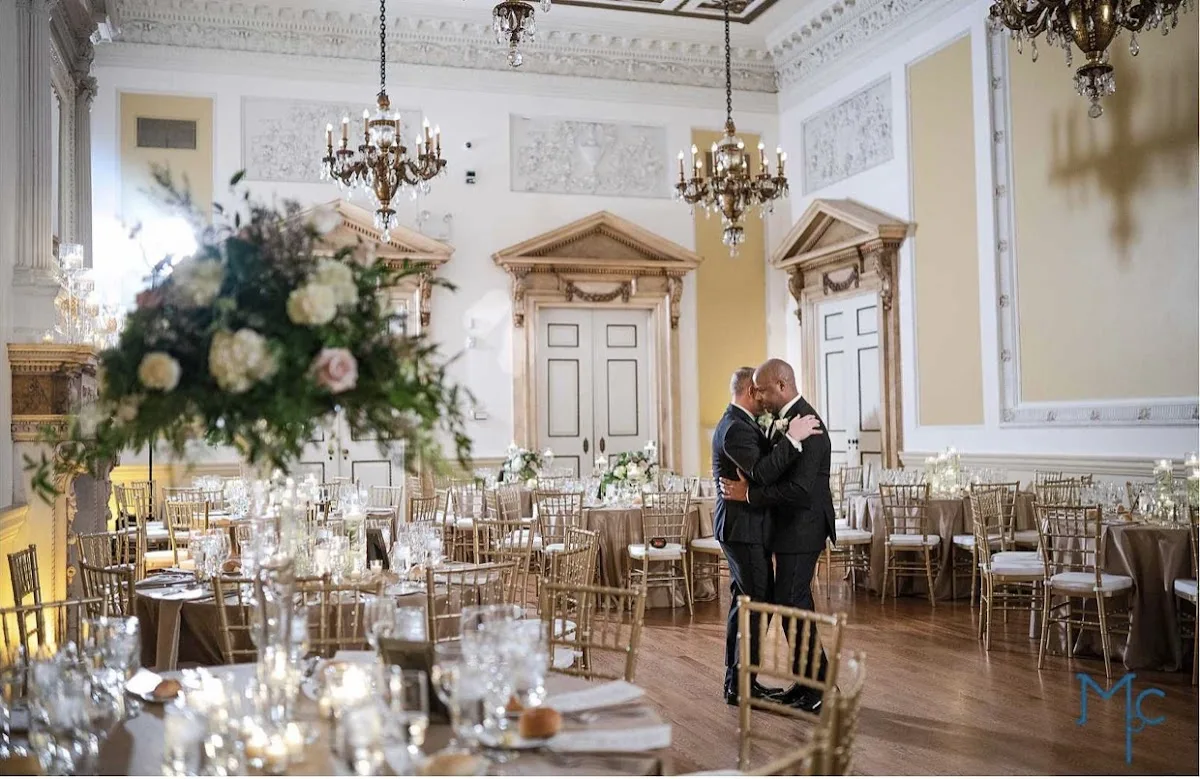
For couples, the key is not just what’s served—it’s how guests move. Because the cocktail room includes multiple focal points (bar, action stations, windows), you’ll want to confirm expected staff staging and where guests typically gather while photographers work quick portraits. Then, for the reception, Cescaphe notes that the Ballroom includes original sandblasted concrete walls, 3-tier chandeliers, and 20-foot iron windows overlooking Penn Treaty Park, along with a Venetian finished fireplace, an expansive bar, and dancing under original skylights.
Ask how long it typically takes for guests to transition from ceremony to cocktail, and whether there are any pinch points between the spaces on peak arrival times.
Location and coordination basics you can verify before your tour
When you’re mapping transportation and day-of coordination, begin with the public address and direct contact signals. The Switch House by Cescaphe is listed at 1325 N Beach St, Philadelphia, PA 19125, United States, with phone contact at +1 215-238-5750. Public listings also show a 4.8 rating from 65 reviewers, which can be a useful starting indicator—then you’ll still want to confirm details directly with the venue.
On the day-of logistics side, the site also points to on-site hotel options under the broader Switch House brand (“Turn your wedding into a weekend-long affair by reserving rooms at the Switch House Hotel”). Even if you don’t plan a full weekend, ask whether any “hotel-linked” moments impact your arrival schedule, signage, or guest routing.
What to ask about during your tour (so you don’t get surprised)
- Transition timing: how the team sequences ceremony conclusion, cocktail setup, and guest arrival to the cocktail space.
- Guest movement: where photographers can stand during portraits without blocking the cocktail or reception entry.
- Bar and action-station placement: how guests typically experience the raw bar and action stations, and whether this affects accessibility routes.
- Room staging: how the fireplace-focused ceremony setup and the ballroom windows are used during different seasons.
If you plan your timeline around these practical “flow” questions, The Switch House by Cescaphe becomes easier to evaluate: you’ll know whether its waterfront light, historic-industrial character, and cocktail-to-ballroom rhythm match the kind of day you want to host.