Roost is listed as a modern rooftop-style event space in downtown Pittsburgh, with a public address of 250 Forbes Ave Suite 201, Pittsburgh, PA 15222. It also shows a strong online signal—an aggregated 4.5 rating “from 100 reviewers”—so it tends to attract couples who care about both look and execution. Still, the best way to decide whether it fits your day is to translate those visible facts into venue-specific logistics you can confirm on a tour.
Start with location reality: 250 Forbes Ave, Suite 201
When a venue sits in the city core, the “where exactly are we meeting, and how does everyone arrive on time?” question becomes more important than usual. For Roost, your planning should begin with the suite-level address (Suite 201) and what that means for guest pickup, ride-share drop-off, and day-of directions. Ask how the venue handles guest wayfinding from the street to the event floor, and whether there are any restrictions on unloading vendors (florals, rentals, AV gear) close to move-in time.
Because you’re planning in Pittsburgh’s downtown environment, it’s also wise to confirm the venue’s guidance for parking and arrival timing. Roost’s public amenity signals include “Parking,” but details vary by building rules, time window, and vendor coordination—so don’t assume it will match your schedule without asking.
Match your guest count to the venue’s stated event range
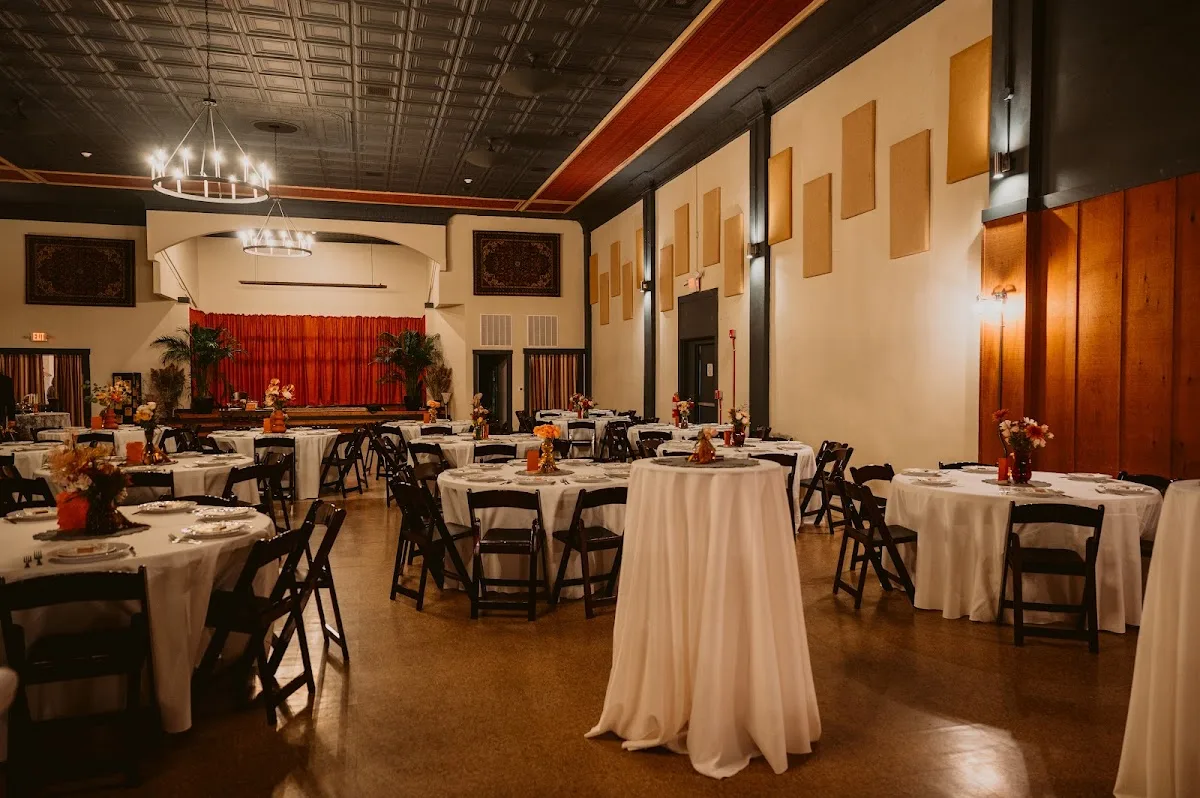
Roost’s public listings indicate a typical reception range “from 25 to 200 guests,” with ceremony/reception categorized as indoor. Treat that as an initial sizing target. Then, during your tour, ask how the layout changes at your specific number: Where does the ceremony stage sit, how is cocktail hour arranged, and how do you keep sightlines comfortable for both speeches and first dance?
If your plan includes larger-format elements (a big dessert table footprint, a band staging area, a photo backdrop with extra lighting, or a long head table), request a suggested layout at your guest count rather than relying on event photos. This is one of the fastest ways to avoid “pretty on Instagram” but tight-in-reality moments.
Use ratings as a clue, not a promise
The 4.5 rating “from 100 reviewers” and the venue’s consistent “highly rated” labeling are useful for prioritizing your research, but they don’t confirm current staffing or day-of rules. Your goal is to verify the operational details that drive reviews: timeline reliability, how vendors are scheduled for access, and how the venue supports coordination between ceremony and reception.
Vendor logistics: what to confirm before you book
Roost’s public booking path points couples toward an official reservations link and multiple third-party channels. The official website shown publicly is http://revelandroost.com/reservations/ (and there are also directory links such as WeddingWire). For your planning, translate that into a clear call-to-action: ask the venue what information they need from you to confirm availability and scope, and what their process is for adding vendors to your event plan.
Use the phone listing as your direct line during that conversation: +1 724-416-8711. When you call, bring a short list of specifics—your event date range (even if tentative), estimated guest count, and your vendor roster—so you can get concrete answers about move-in windows, staging, and any restrictions around décor placement.
Downtown ceremony-to-reception flow: plan for transitions
Even when both ceremony and reception are indoor, the transition details matter—especially in a multi-step downtown setup. Ask how quickly the room can shift from ceremony to reception, whether there’s a dedicated staging or buffer area for rentals, and what the venue expects from your coordinator for load-in/out.
Finally, request what day-of guidance Roost provides for parking logistics, vendor arrival times, and guest navigation from 250 Forbes Ave Suite 201 into the event space. If their answers are vague, that’s your signal to follow up with your photographer and coordinator early—so your run-of-show reflects the real access process.
If you want Roost to be your “yes,” don’t decide solely on the modern aesthetic. Decide based on confirmed movement: how guests find the suite, how vendors load in, how ceremony to reception transitions are managed, and how the space accommodates your exact number and layout. Those confirmations turn public details—address, rating, and booking channels—into a wedding plan that runs on time.