Choosing a wedding venue on a working farm takes more than picking a pretty backdrop. Churchview Farm LLC (3897 Churchview Avenue Extension, Pittsburgh, PA 15236, United States) is described publicly as a private residence with visits by appointment only, so your planning process should start with scheduling, logistics, and expectations—not a casual “drop by” tour. The venue is also consistently positioned as a Rustic & Barn-style setting, and public signals show a 4.7 rating with 49 reviewers.
Below is a venue-planning guide built around what couples typically need to confirm for an outdoor-forward day—plus the specific details that matter most when the “event space” functions as a teaching, seasonal environment.
Plan your visit like a workflow (because it’s appointment-only)
Churchview Farm explicitly notes that it is a private residence and that visits are by appointment only. That single detail changes how you should approach timing: build your site visit into your overall timeline as early as possible, and come prepared with your must-have questions, vendor needs, and your draft ceremony-to-reception plan.
When you request a visit, ask how the appointment process works for wedding couples (and how that differs from other private events). Because it operates as a teaching and learning space, it’s also worth asking whether there are any day-of constraints that could affect access, setup windows, or where vendors can stage equipment.
Bring a “day-of flow” map, not just a Pinterest board
During your appointment, visualize guest movement and vendor movement separately. In rustic venues, the main bottleneck is rarely the photos—it’s the transition: parking, arrival, ceremony setup, cocktail flow, and then the reception moment when tables, lighting, and audio need to be ready. Prepare a simple timeline sheet and ask the venue what timing and staging tend to work best.
Use the venue’s farm-and-events model to shape your questions
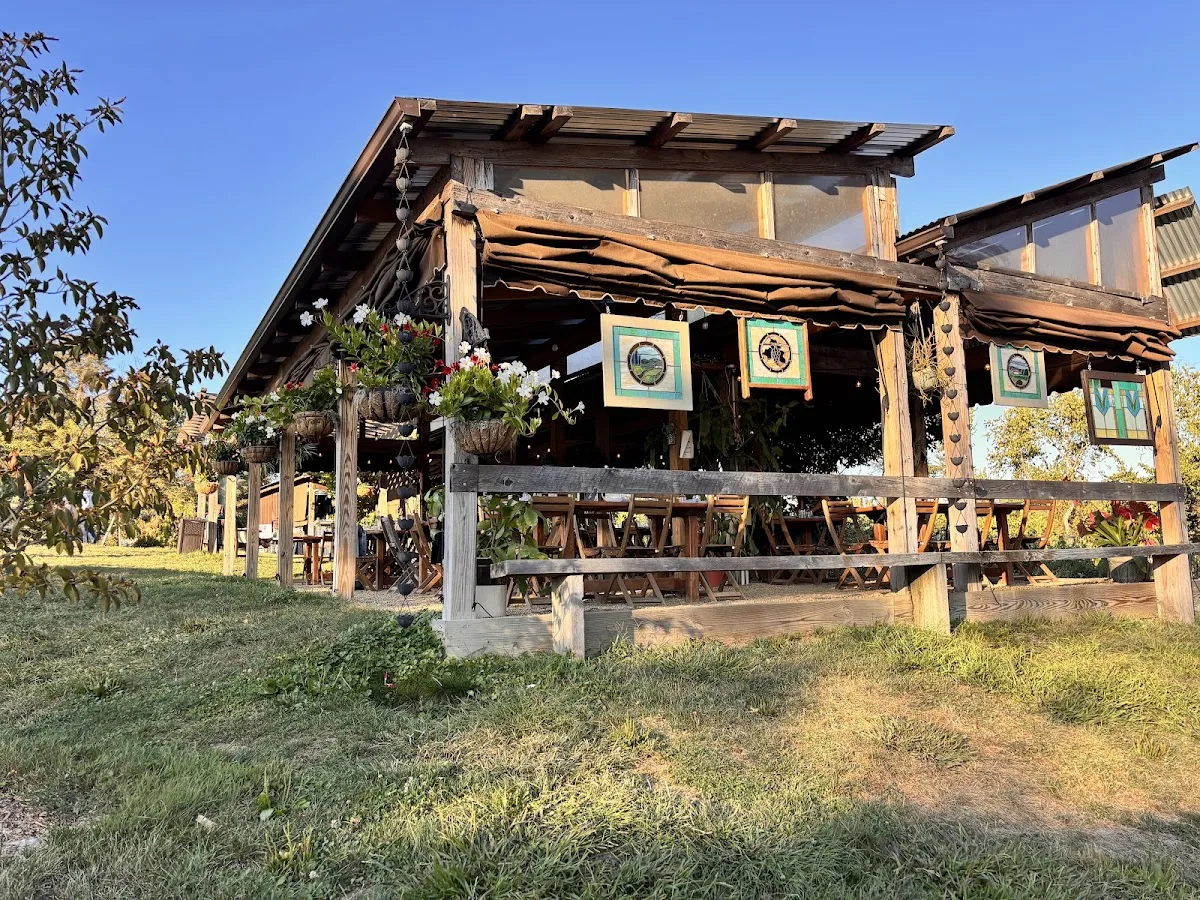
On its official site, Churchview Farm describes itself as a third-generation sustainable family farmette and a teaching and learning space. It also notes that food grown at Churchview is used for farm-to-table experiences and onsite events, and that it does not sell products to the public.
For wedding planning, this matters because it may influence how the property thinks about catering, menus, and any request to bring in outside food items. Even if your caterer has a standard process, ask the venue what they recommend or require for seasonal ingredient use, storage, and onsite handling. If your wedding concept depends on outside desserts, late-night snacks, or a specific beverage setup, confirm what’s feasible and what needs to be planned around.
Confirm what “Rustic & Barn” means for your ceremony and reception
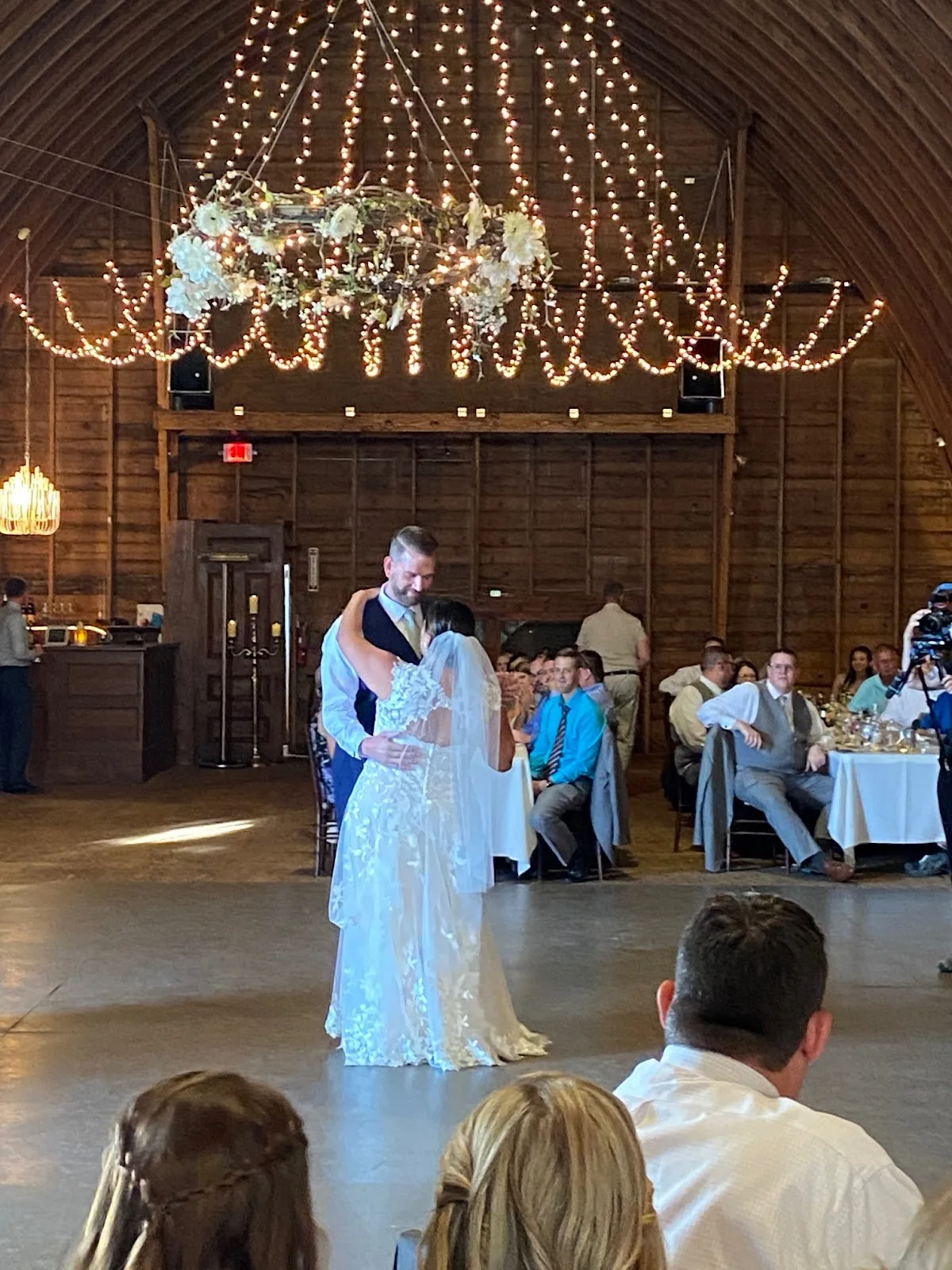
Rustic venues often give couples flexibility, but they can also come with natural constraints like surface types, shade patterns, and weather planning. Ask about the ceremony location options (and what backup plan is realistic on rainy or windy days), as well as where receptions typically take place and how lighting and sound are supported.
Vendor logistics: ask how setup and staging work onsite
Because the venue is a private residence, vendor logistics should be treated as a planning item, not an afterthought. During your appointment, ask how vendors coordinate arrival times and what the staging areas look like. For example, confirm where delivery vehicles park, where setup happens first, and how the venue prefers that equipment be unloaded and stored during the day.
Also ask whether there are any limits around noise, generator use, open flames, or other common wedding-day needs. If your planner includes décor installations (arches, hanging florals, aisle treatments), ask what can be secured and where, so you’re not designing something that can’t be executed onsite.
What to verify before you commit
Before signing anything, line up the details that reduce surprises later. Churchview Farm’s public information gives you a strong starting point—especially the address, appointment-only visits, and its farm-to-table and teaching model—so your next step is to confirm your wedding specifics directly.
- Scheduling: how appointment visits are arranged and how far in advance couples should book tours.
- Access and timing: what setup and teardown windows usually work best for events.
- Food and catering: whether the venue expects any farm-to-table connection, and what outside food or beverages are allowed.
- Weather planning: how ceremony and reception spaces shift if conditions change.
- Vendor coordination: staging areas, delivery flow, and any equipment restrictions.
Churchview Farm LLC is the kind of venue where the “feel” comes from its working farm identity, not just decor. By treating your first visit as a logistics meeting—and by confirming the details around catering, staging, and weather—you’ll make it much easier to plan a day that feels effortless for your guests and workable for your vendors.