Why a structured venue tour matters
A wedding venue can feel perfect in photos, but the real decision comes from what happens during a tour: how the spaces flow, how the staff runs the day, and whether the setup matches the way a couple wants to host guests. A practical visitor guide keeps the visit focused, helps couples compare multiple locations fairly, and reduces the chance of surprises later.
Before you arrive: prepare your questions
Most venue tours work best when couples come prepared. Build a short list of must-ask questions and bring it on your phone or a printed sheet. During busy tours, it’s easy to forget details—especially around timeline, service flow, and what is included.
- What is the typical event timeline (ceremony, cocktail hour, dinner, speeches, cake, and dance)?
- What is included (tables, chairs, linens, standard décor, basic AV, staffing)?
- What additional costs might apply (service fees, upgraded bars, overtime, ceremony upgrades, specialty rentals)?
- Which vendors are required or not allowed (photographers, DJs, catering rules, outside cake policies)?
- How are changes handled if guest counts increase or the plan evolves?
On-site walkthrough: evaluate how the day will actually run
As you tour each space, imagine the event running in real time. Ask the venue team to walk through logistics, then test your assumptions by physically moving through the areas they show you.
1) Guest arrival and parking
Even the most beautiful celebration needs a comfortable arrival experience. Confirm where guests park, how directions are provided, and whether there are accessibility considerations for older guests or guests with mobility needs.
2) Ceremony and transitions
If the same venue space supports both ceremony and reception (or if spaces are connected), watch how quickly the room can switch. Ask what the turnaround looks like and who handles the setup and reset.
3) Cocktail hour and guest circulation
Ask where guests will naturally gather during cocktail hour and how they’ll move between stations. A good sign is when you can picture guests chatting without congestion near doors, bars, or service areas.
4) Dinner seating and sightlines
Viewing the room from different angles seating decisions. If there are pillars, raised stages, or a bar placement that blocks lines of sight, note it now—rearranging later can be costly.
Facilities to verify during your tour
Different venues handle comfort, accessibility, and convenience in different ways. Confirm the essentials so the experience feels seamless for guests.
- Restrooms: number, accessibility, and proximity to the reception area.
- Climate control: ask how heating and cooling is managed for the season of your wedding.
- Accessibility: check entrances, elevators (if needed), and seating accommodations.
- Noise and acoustics: if the room is mostly hard surfaces, ask what sound system adjustments are available.
- Lighting: confirm how the room lighting supports photography, speeches, and first dances.
Working with the staff: policies and communication
Venue staff style strongly influences the experience. Ask how the day-of team is structured and who your point person is once events begin. Request clarity on communication: how updates are delivered, where final decisions are documented, and what the venue expects from vendors on arrival day.
Policies matter too. Confirm what happens if vendors arrive late, how the venue handles weather issues (if any outdoor elements are planned), and whether there is flexibility with timing.
How to compare multiple wedding venues
After visiting, couples often remember the atmosphere but forget which practical details mattered most. Use a simple comparison method.
| Category | What to score | Why it matters |
|---|---|---|
| Logistics | Arrival flow, transitions, room reset time | These affect guest comfort and the event timeline |
| Inclusions | What’s included vs. billed separately | Protects your budget and reduces surprises |
| Capacity | Whether the space feels comfortable at your guest count | Room size impacts sightlines and energy |
| Flexibility | How the venue handles changes | Reduces stress if plans evolve |
| Support | Staff responsiveness and day-of structure | Affects how smooth the celebration feels |
A Boston ballroom-style venue example: what to look for
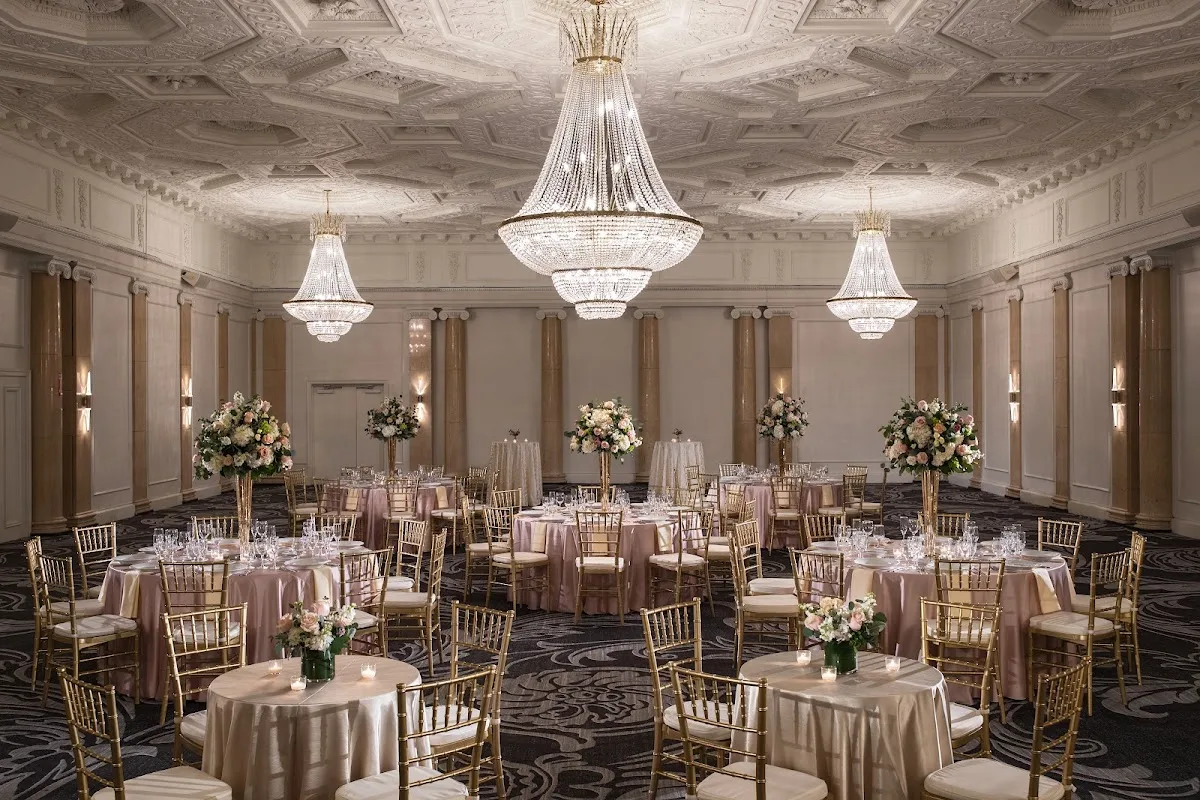
If a venue describes itself as a ballroom or banquet hall, focus your tour on the same fundamentals—layout, staffing workflow, and included services. The goal is to confirm that the room supports both the ceremony setup (if applicable) and the reception experience for your specific guest count.
For a venue located at 1 Avery St, Boston, MA 02111, start with how parking is handled and then review the room transitions. If the venue offers parking and follows a standard banquet-style event flow, it can be an efficient choice for couples who want a clear, repeatable timeline with professional support.
Quick checklist you can bring to your tour
- What’s included (and what costs extra)?
- Day-of timeline and who runs it
- Parking, accessibility, and guest flow
- Room reset timing between ceremony and reception
- Sound, lighting, and photography considerations
- Vendor rules (DJ, catering, cake, décor)
- Polices for changes, overtime, and last-minute adjustments
Next step: turn notes into a confident decision
Bring your tour notes home and compare each venue using the categories that matter most to your day. When couples base the decision on logistics and included services—not only the visual appeal—they typically feel more confident on wedding week.