The Delaware Center for Horticulture (DCH) is designed around outdoor, garden-forward gathering areas—so the best wedding planning starts by treating the grounds as real event “zones,” not scenery. Located at 1810 N Dupont St, Wilmington, DE 19806, DCH also has strong community feedback, with a 4.9 average rating from 81 reviewers. When you’re ready to confirm current details, use the official site at http://www.thedch.org/ or call +1 302-658-6262.
Garden Pavilion to Courtyard: map the moment-by-moment movement
If your ceremony takes place in the garden pavilion area and your reception follows in the courtyard, build your timeline around the movement between those spaces. Many venue schedules feel “on paper” but fall apart when the transition window is too tight—especially when guests are moving from seating to cocktail mingling or when vendors need access at the same time.
During planning, treat the transition like a production cue: identify where ceremony staging ends, where guest circulation begins, and where the courtyard setup can start without blocking people. If you’re using multiple vendors, ask how you can coordinate overlapping activity so walkways and paths stay usable while setup happens.
Zones on the ground: where chairs, aisles, and décor actually sit
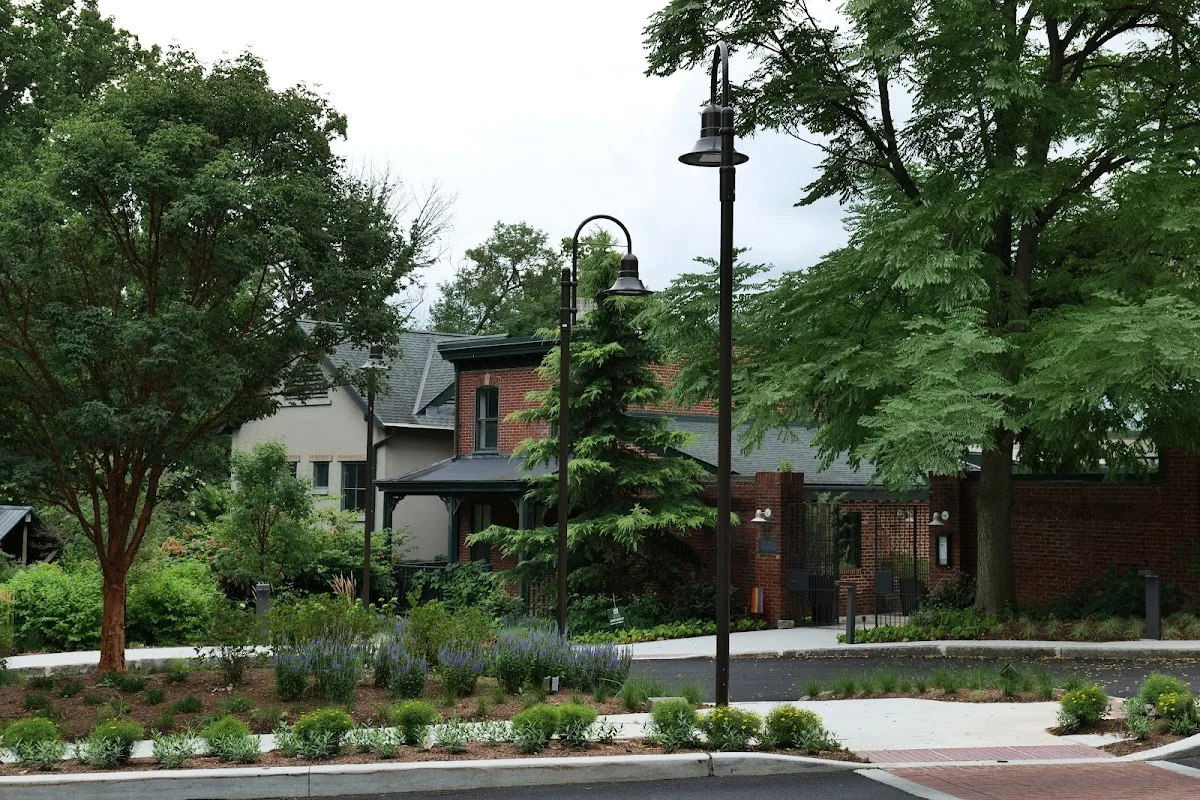
At a garden-focused venue, the layout matters because pathways, sightlines, and boundaries shape the day. Instead of thinking only in “rooms,” plan by zone: ceremony area seating, photo moments, mingling space, and dining flow within the courtyard.
On your tour, walk the intended ceremony aisle and the routes guests will use from the courtyard seating back toward restrooms or main circulation points. Then translate what you see into practical décor decisions—aisle runners, lighting placement, and any items that could interfere with landscaping or create trip hazards along foot traffic paths.
Outdoor logistics that affect setup and strike
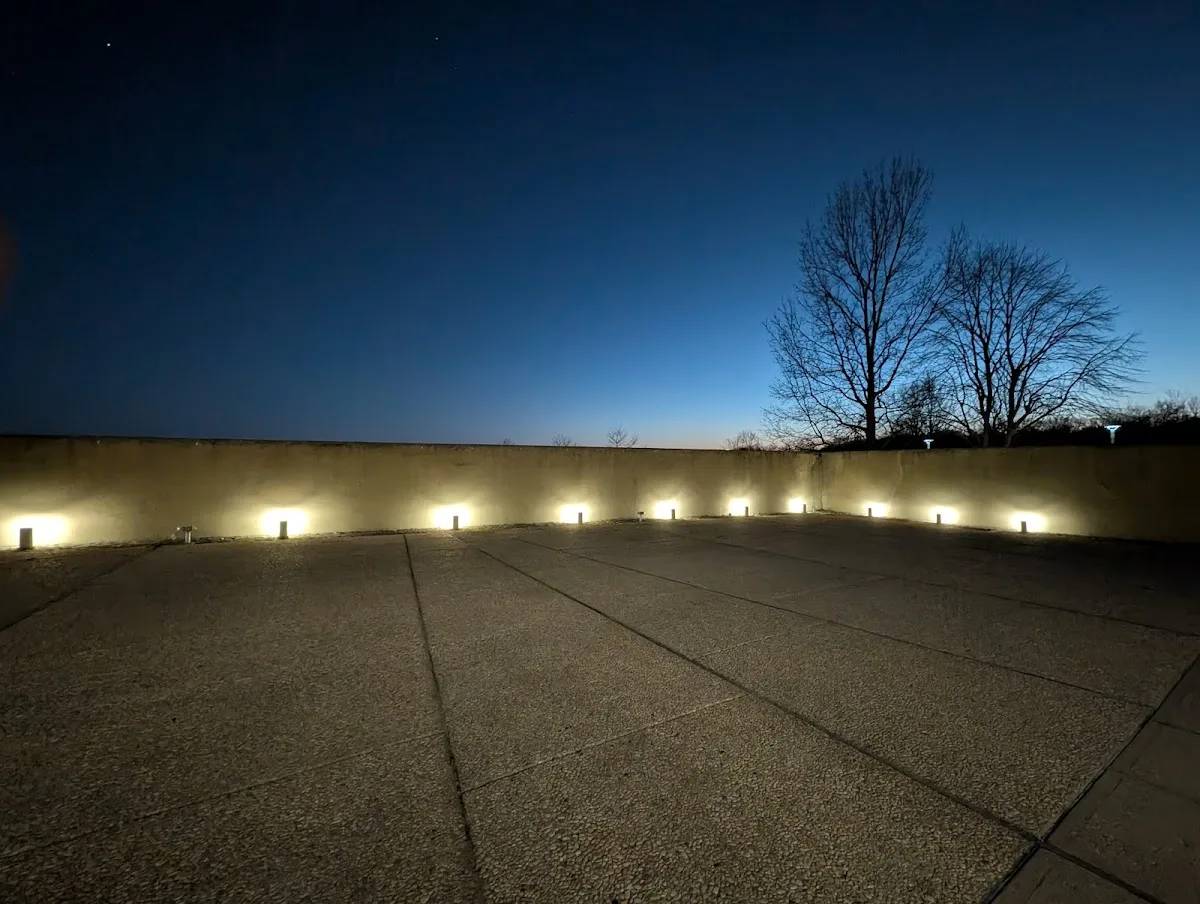
Even when weather is beautiful, outdoor venues can change what “setup” means. Surface conditions, light angles, and the ability to move equipment quickly after the event can all affect how efficiently vendors can work.
Use the venue conversation to plan for real-world timing: ask where staging and temporary placement are typically allowed and how quickly vendors are expected to strike once the celebration ends. The goal is to protect the guest experience—so the end-of-night cleanup doesn’t turn into a long wait or require blocking major circulation routes.
Vendor access and handoffs for a garden venue
Because DCH is rooted in a public-garden setting, vendor coordination becomes part of the wedding’s smoothness. To keep load-in and setup efficient, ask how vendor arrival typically works—delivery or load-in approach, and where vehicles should stage during setup.
It also helps to confirm what the venue needs from you (for example, insurance documentation and layout approval timing). Requesting those expectations in writing can reduce last-minute confusion, especially when you’re coordinating multiple vendors or temporary installations.
Once vendors are onsite, clarify who is responsible for opening and closing access points and how the venue staff prefers to communicate during transitions—ceremony start, courtyard turnover, and the reception’s end. Clear communication is often what prevents delays when more than one vendor is working in overlapping windows.
Guest comfort details to verify during your visit
A garden-centered venue can feel relaxed and comfortable, but the comfort plan still needs structure. Treat your tour like a rehearsal: observe where guests naturally cluster, how they find the closest restroom path, and whether any points along the way create bottlenecks during photos or cocktail time.
If your ceremony is later in the day, talk through lighting expectations so your photographer can plan for the changing light without disrupting guest movement through the courtyard area. Also, consider accessibility and rest areas as part of your design—identify where guests can pause between moments, especially during the transition from the pavilion to the courtyard.
Outdoor contingencies: confirm how the venue expects you to pivot
Because weddings are time-based and outdoors depend on conditions, it’s important to ask about contingency planning early. Before you lock your schedule, ask what event coverage looks like for your date range and how quickly the venue expects you to adapt if the weather changes.
Make sure you understand where guests would relocate for shelter and how the transition would be managed operationally—so the shift doesn’t disrupt the ceremony flow or trap guests far from the reception setup.
Use the venue’s information to confirm scope before booking
Market listings online may show different price ranges for weddings at DCH, but scope can vary based on guest count, day-of needs, and what’s included for your chosen rental areas. When you contact the venue team via http://www.thedch.org/ or +1 302-658-6262, ask for a current quote and confirm what’s included versus what’s added later—such as staffing considerations, rental boundaries, or production requirements.
With a clear day-flow from the garden pavilion to the courtyard, plus confirmed vendor access and a weather contingency plan, you’ll be better positioned to choose whether DCH’s outdoor setting matches the kind of wedding day you want.