Choosing a venue that “looks great” is easy. Choosing one that works on your actual day—guest movement, vendor setup, and timing—is harder. SPACE is an event space listing in Englewood, NJ, and its public profile includes clear signals you can use to pressure-test fit before you request a quote: a 4.7 rating from 405 reviewers, an address at 491 S Dean St, Englewood, NJ 07631, United States, and a phone line at +1 201-567-3810.
Below is a venue-planning focused guide to help couples and planners evaluate whether SPACE can support the day structure they want—without relying on generic marketing language.
Start with SPACE’s event capacity signals (seated vs. standing)
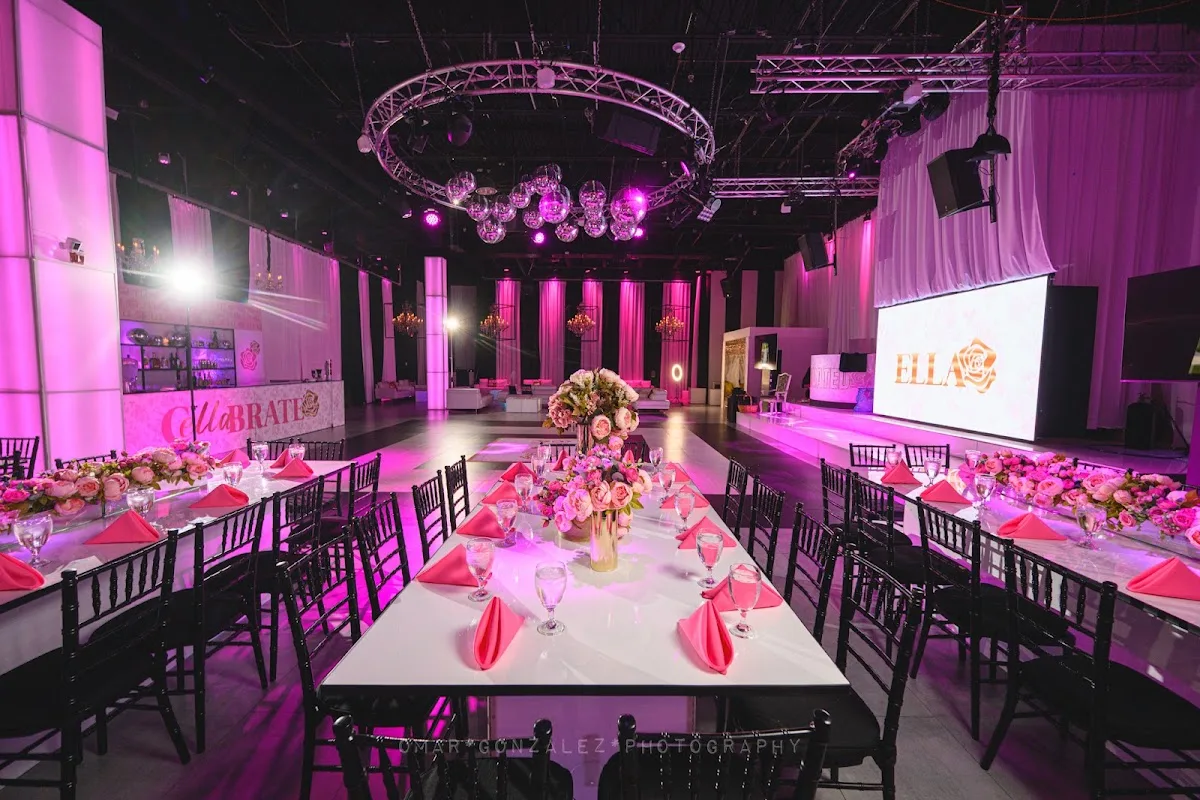
One of the fastest ways to check whether a venue matches your guest count is to confirm the layout the space supports. SPACE’s listing shows capacity numbers for its main lounge: Seated: 200 and Standing: 200. This matters because seating style drives multiple parts of the schedule—cocktail flow, dinner service pacing, and where you can realistically stage entertainment or speeches.
When you tour or ask for availability, ask them to translate those numbers into your layout. For example: if you plan a plated dinner (or a family-style setup), how does that change the practical seating? If you prefer a standing cocktail-forward timeline, where do guests naturally pause so you do not create pinch points during transitions?
Map your ceremony-to-cocktail-to-dinner flow around the room type
SPACE’s public details position it as a Ballroom & Banquet style venue. That usually means the “room logic” is central: ceremony staging, a cocktail area, and dinner seating often rely on how quickly guests can move without crowding. If you want a smooth transition, ask what the venue recommends for your ceremony site location (on-site details) and how that staging affects the main lounge flow.
What “full-service” might mean in practice (and what to verify)
In its official lead-form content, SPACE describes itself as full-service and highlights planning and production support under one roof. It also mentions complimentary party planning and design, custom décor support, in-house catering, and entertainment coordination, along with a process refined over more than 21 years.
This can be a major advantage if you want fewer handoffs. But it is not enough to assume it works for every vendor team. Before you commit, ask for clarity on:
- What vendors must be in-house (catering and entertainment are mentioned publicly, but you still need exact boundaries).
- What external vendors are allowed (for example, a DJ vs. live music options, photographers using certain access routes, florists needing staging time).
- Timeline checkpoints: the listing notes that two weeks prior, details like guest counts, menu confirmation, floor plans, timelines, and event details are finalized—ask how that affects your own planning deadlines.
Capacity isn’t just numbers—think staging, A/V, and day-of coordination
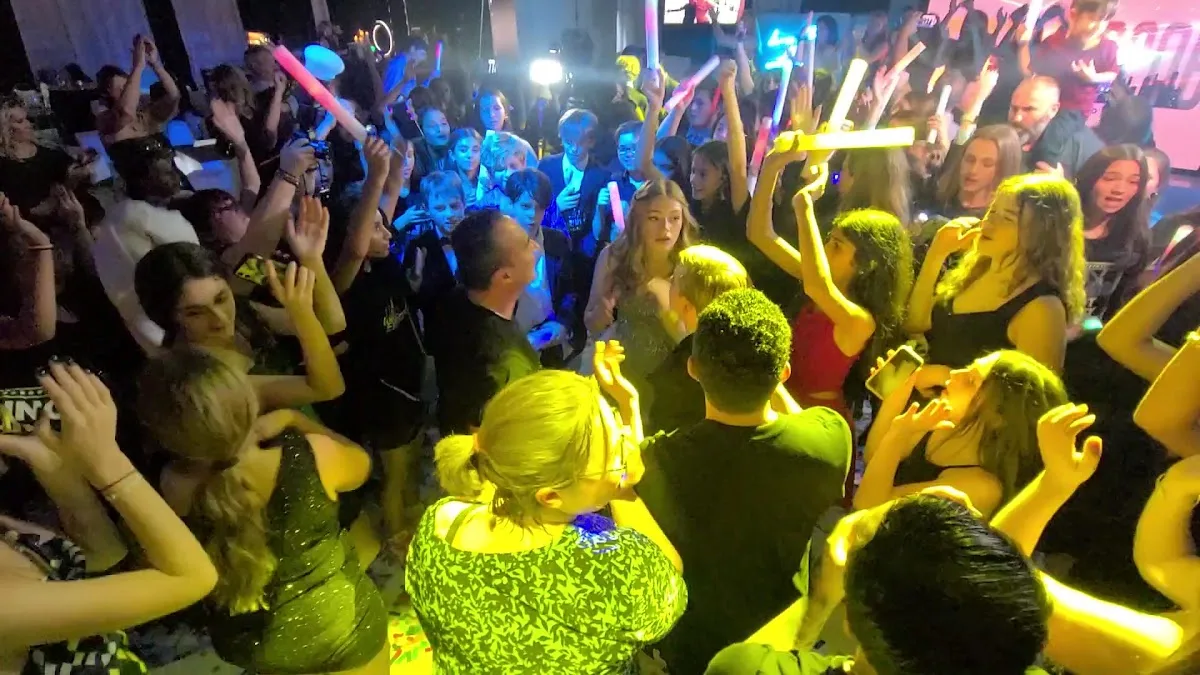
SPACE’s public amenities list includes A/V equipment, a dance floor, live music/DJ support, a lounge area, and private parking. These are the kinds of “invisible” details that impact how your day runs—especially for music cues, mic checks, and how you stage speeches and first dances.
Use this as a day-of planning prompt. Ask them:
- Where will the sound system be set so it does not interfere with ceremony audio and cocktail conversation?
- How is the dance floor positioned relative to dinner tables or the lounge?
- What does “day-of event coordinator” include in their process (setup oversight, vendor check-in, and the final timeline execution)?
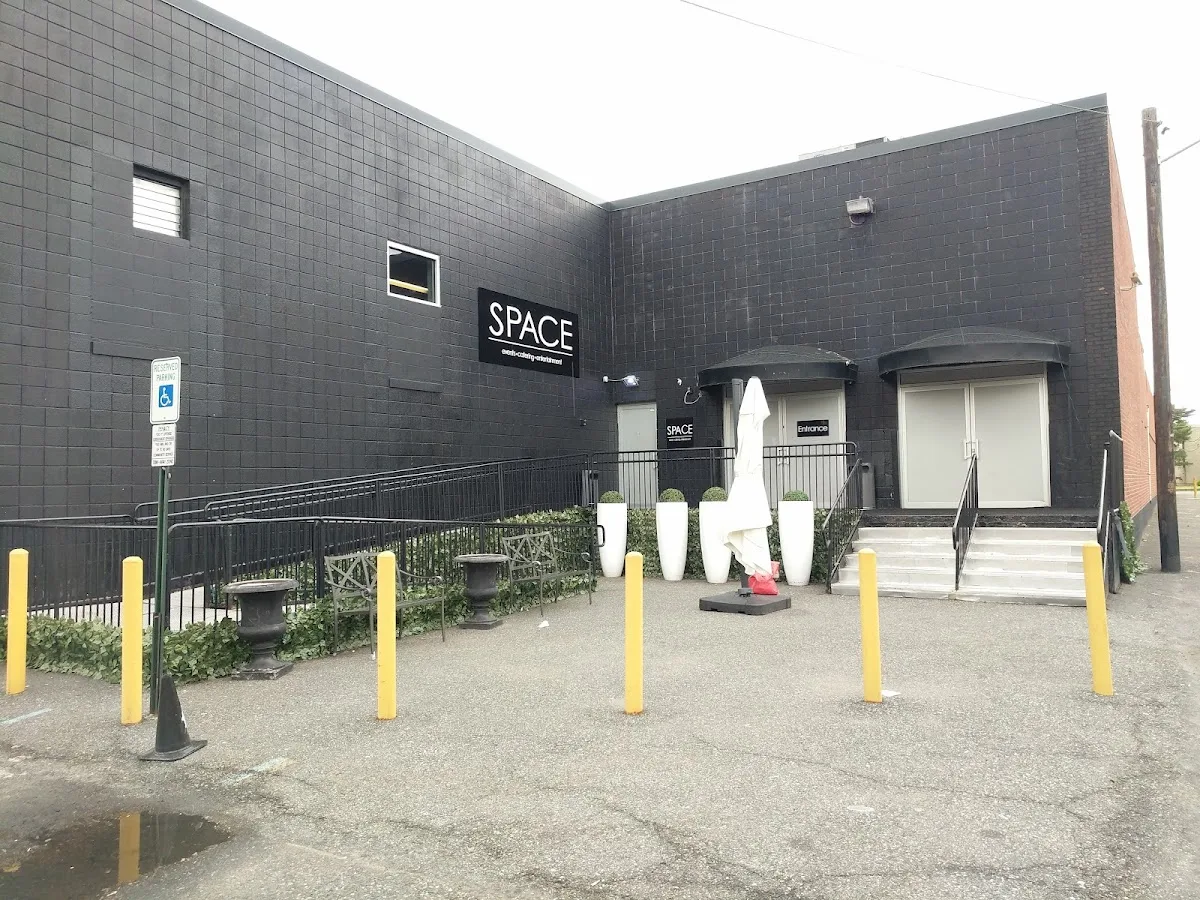
Use the location and contact signals to plan logistics early
Even when a venue is visually perfect, logistics can make or break the schedule. SPACE’s public location information points to 491 South Dean Street in Englewood, NJ, and its contact path is routed through its venue website lead form (with a phone number provided). If parking is a key concern for your guests, confirm how “private parking” works for your date, including arrival waves and any accessibility considerations.
Finally, treat your first outreach as a fact-gathering mission: ask for a quote request process, the recommended floor plan for your guest style (seated vs. standing), and any venue rules that could affect vendor arrivals or décor load-in.
If SPACE’s capacity matches your timeline and you can get clear, written answers about vendor boundaries and day-of execution, it may be a strong candidate. The goal is not to get excited first—it’s to confirm the layout, responsibilities, and deadlines that will protect your day’s flow.