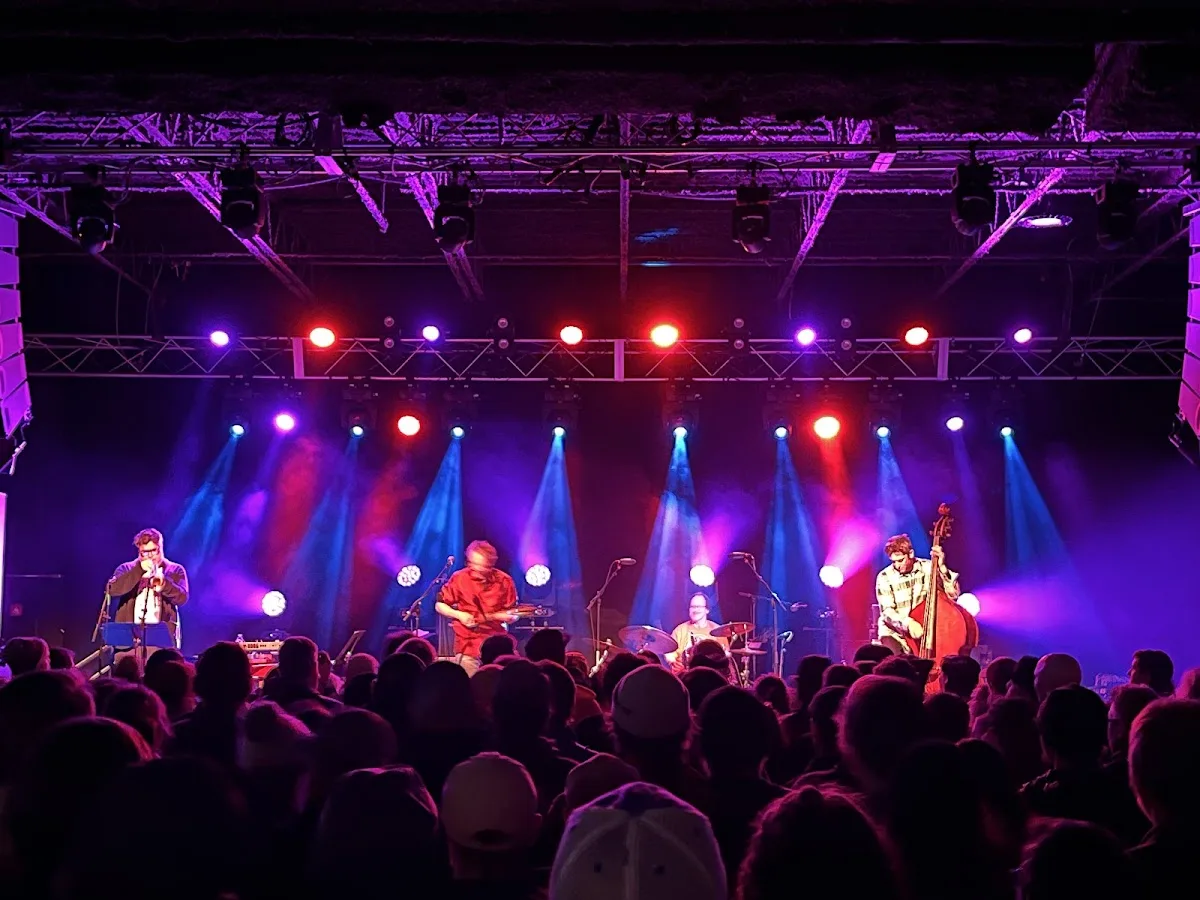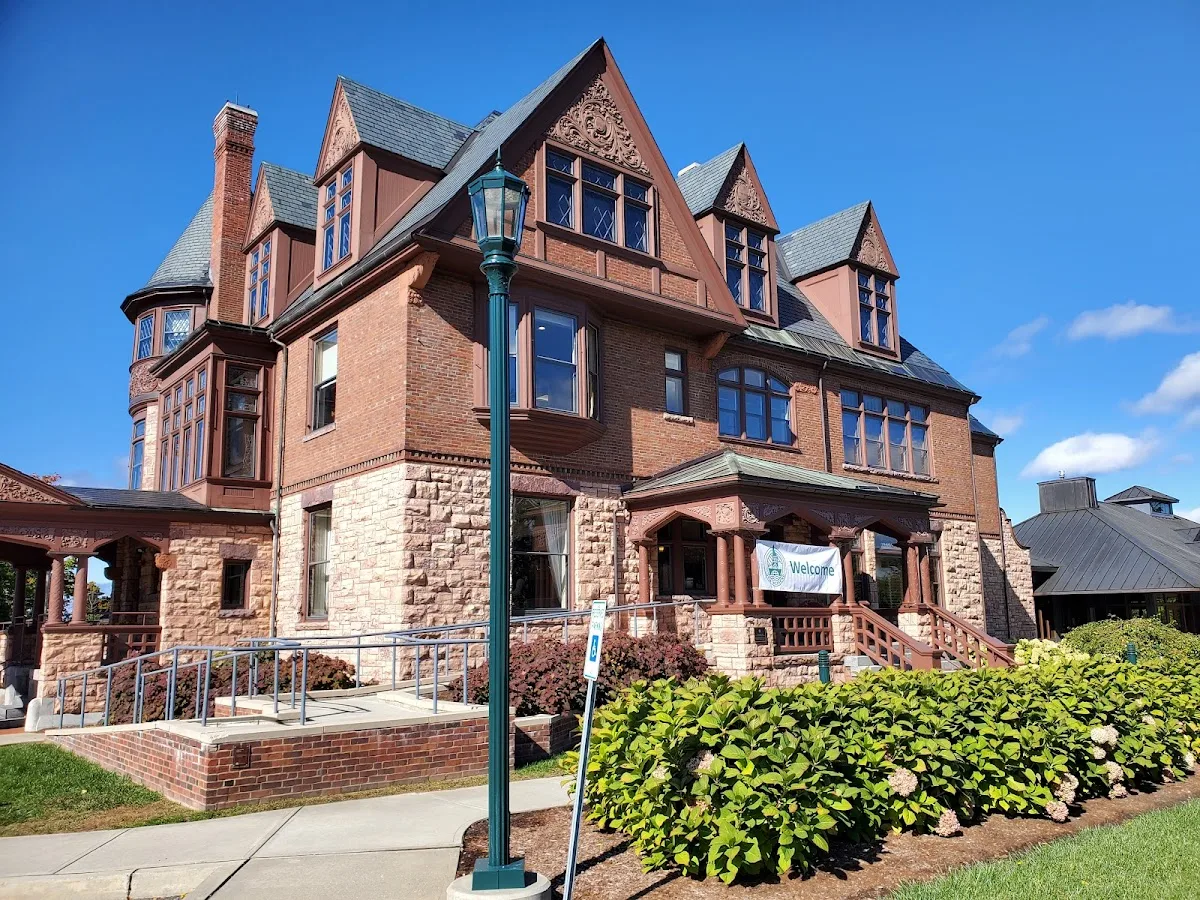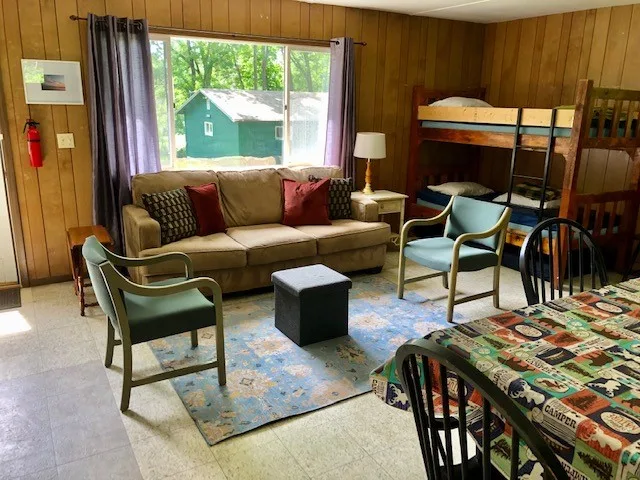
Rock Point in Burlington, Vermont can set a calm, lakeside tone from the moment guests arrive. Because it’s built around a preserved shoreline experience, successful weddings there come down to logistics as much as views—especially when your ceremony, portraits, and reception areas shift between outdoor and indoor spaces.
Start with the property layout: how guests actually experience Rock Point
Rock Point Commons encompasses 130 acres of publicly accessible conserved lands along the shores of Lake Champlain in Burlington. That scale changes how a day unfolds: guests may need to move between zones, find parking and arrival points, and navigate paths that feel natural on a sunny day but require thoughtful pacing overall.
On a tour, focus on how the spaces connect. Ask whether the ceremony area, cocktail hour, and reception flow is visually and operationally connected—or whether you’ll need clear direction so guests don’t feel lost during transitions.
Verify the contact details and coordination points before you book
Before you finalize vendor schedules, confirm the practical on-site information you’ll use for coordination. Rock Point’s listed contact information includes the address 20 Rock Point Rd, Burlington, VT 05408, United States and phone +1 802-658-6233. Their official website is https://www.rockpointvt.org/?utm_source=google&utm_medium=wix_google_business_profile&utm_campaign=6107725107068843420.
Using those details early helps you avoid a common planning issue: showing up with a great plan that can’t be executed because staging locations, timing, or access points weren’t clarified during the booking process.
Treat it like a day-use plan: what “Day-Use Rentals” means for your event
Rock Point’s site navigation highlights Day-Use Rentals, which is a cue to plan your wedding as a coordinated use of facilities rather than a single, seamless “package” experience. During your planning conversations, connect your event format to what that day-use framing implies—ceremony space, reception seating, vendor access, and how your group transitions between zones.
This is where you’ll want clarity on included areas for your event hours and which parts of the property are restricted. Even small constraints can affect signage, setup timing, and where your team stages equipment.
Plan transitions around weather, walking distance, and timing
Because Rock Point is centered on gathering and learning on a lakeside property, outdoor conditions can influence how your timeline feels in practice. If your ceremony is outdoors, build in the transition: where guests go immediately afterward, whether there’s a sheltered or covered gathering option, and how quickly the group can move from ceremony seating into mingling and reception.
While touring, identify friction points that can slow the day: parking access, any path bottlenecks, and whether the route from arrival to event zones feels intuitive for first-time guests. If you have older relatives or guests with mobility needs, this is one of the highest-impact areas to confirm early.
Use review signals as a starting point, not the final word
Rock Point shows a 4.6 from 67 reviewers rating. Reviews don’t replace a tour, but that level of consistency can help you form expectations about what tends to work when couples plan thoughtfully.
To make reviews actionable, bring your priorities into the planning conversation: guest comfort, how smoothly the day flows, and whether the venue can support your pacing—from ceremony moments to reception energy.
Questions to confirm on your venue call—so the day doesn’t fall apart
Use your call to lock in the items that directly shape your schedule and setup. Ask for clarity on:
- Event hours and access windows: what timeframes you’re allowed and when your vendors can access spaces for setup.
- Staging, parking, and loading: where your team should load in, where parking is directed, and whether any areas are off-limits.
- Layout realities: whether the ceremony-to-reception transition requires extra walking or any vehicle movement.
- Weather planning impacts: what indoor or sheltered backup options exist on-site and how they change your timeline.
When you plan around those confirmations—rather than only the scenery—you’ll be set up for a day that feels seamless for guests and easier for vendors to coordinate.
Rock Point can be a striking lakeside wedding setting in Burlington, Vermont, but the best outcomes come from planning movement, access, and day-use logistics from the start. Start with the venue’s official contact details, build your schedule around transitions, and confirm the practical questions that protect your timeline.