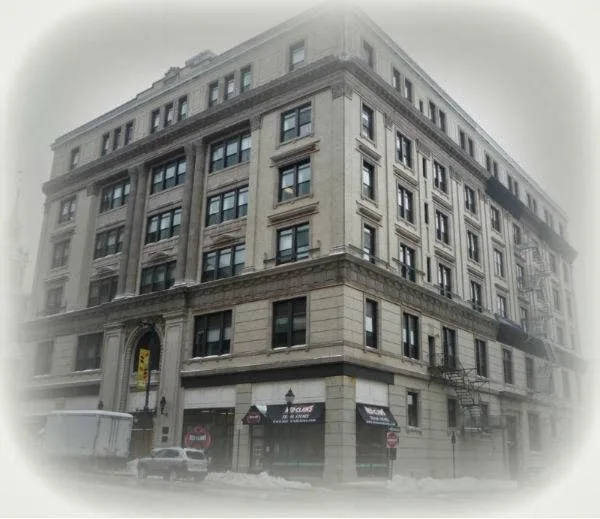
Choosing a wedding venue in Portland isn’t just a style decision—it’s an operations decision. Portland Masonic Temple, built in 1911 and described by the venue as an architecturally distinctive event space in historic downtown Portland, offers couples a backdrop that feels “designed,” not generic. At the same time, a historic property brings real-world questions about how people and vendors move through the building, how setup timelines work, and what your team needs to plan around.
Why the building’s historic layout matters for your ceremony-to-reception flow
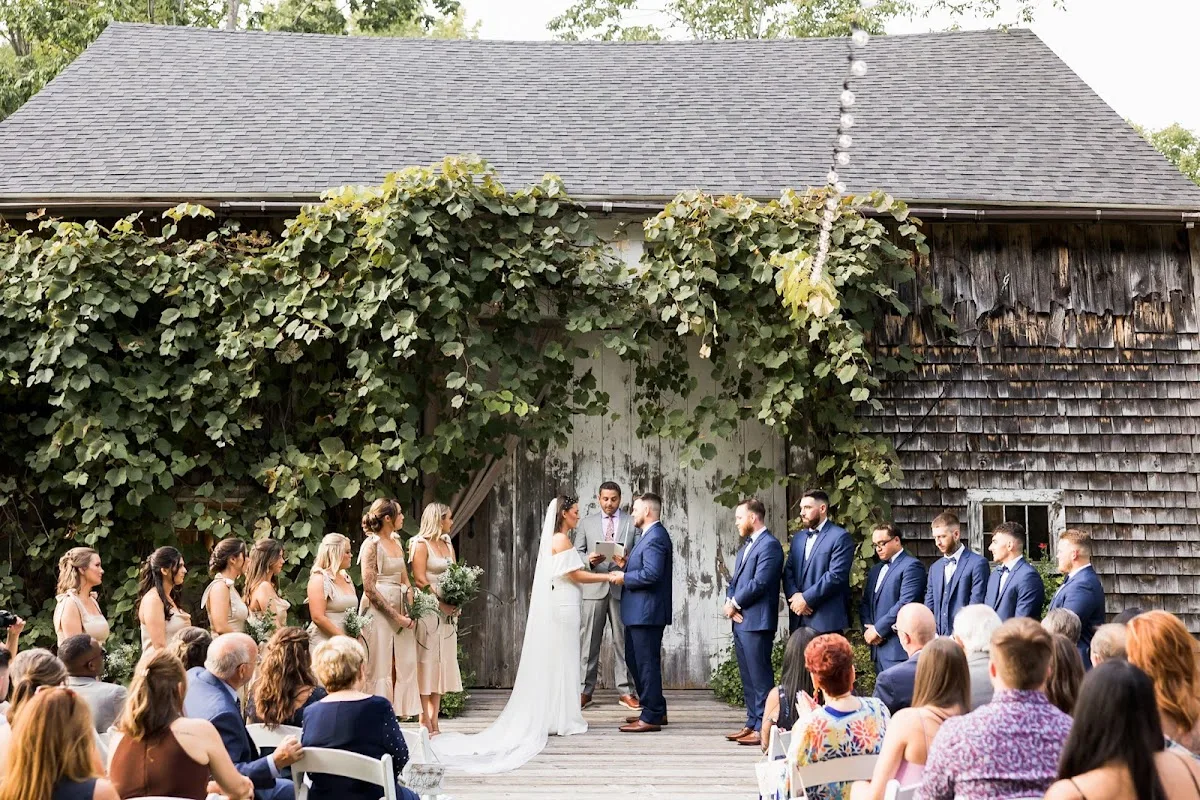
Because Portland Masonic Temple is presented as a dedicated events property within a landmark building, your day-of plan should start with how your ceremony staging hands off to cocktail space and then dinner. The venue’s own wedding/events overview highlights two function areas and a simple way to think about the day: use the spaces for their intended “moment,” rather than trying to force every event to happen in the same room.
When you tour, ask your planner to map the path from where the ceremony happens to where guests naturally gather afterward. Historic venues often have multiple room “moods” (wood paneling and portraiture in one setting, for example, versus a larger main room for later parts of the evening). Even if your final look is cohesive, your guests will experience the day as a sequence—so confirm where lineups form, where ushers can stand, and where you’ll keep the sound and sightlines consistent.
Guest access planning: downtown arrival, parking, and drop-off logic
For downtown Portland weddings, arrival logistics can make or break the first hour. Portland Masonic Temple is listed at 415 Congress St, Portland, ME 04101, and it’s also associated with Parking as an amenity signal. That’s a start, but it’s not the full plan. During your site visit (or in your inquiry email), confirm where guests are expected to park or be dropped off, and whether there’s a recommended staging area for rideshare vans, accessible entrances, and family vehicles.
Use your timeline to decide whether you need an “arrival buffer” before ceremony start. If you’re counting on guests to be seated quickly after arrival, ask the venue how they handle entry flow and whether they have guidance on timing windows for event teams.
Contact details you can use to coordinate a vendor walk-through
If you’re trying to move faster with your vendors, keep the venue’s official contact and details on hand: the Portland Masonic lists a phone number of +1 207-772-6882 and an official website at https://www.portlandmasonic.com/. Instead of sending general questions, ask for a short vendor walk-through or for clarity on where vendors should arrive, stage, and load out.
Vendor logistics and setup questions that prevent day-of bottlenecks
Historic venues can be amazing, but production-ready planning still matters. Before you lock in caterers, DJs, photographers, and rental companies, confirm the operational details that impact everyone: load-in timing, where trucks can park during setup, and any restrictions around doors, corridors, or elevator use.
Also ask how the venue views room turns—especially if you plan to transform spaces between ceremony and reception. Your goal is not just “can we set up?” but “can we set up without blocking guest flow or creating last-minute scrambling?” If your plan includes a photo area that competes with vendor staging, adjust your layout early.
Capacity fit: choose rooms by experience, not just headcount
Portland Masonic Temple is positioned as a “premiere event space,” and public listings commonly describe it in ballroom-and-banquet terms. Still, capacity planning is more than numbers. During your tour, ask what room configuration they recommend for your guest count and how that affects layout (dance floor location, head table or sweetheart placement, buffet lines, and accessibility routes). A smaller room with better sightlines can feel more intentional than a larger space that requires awkward travel across the building.
Reputation signals and what they don’t replace
One useful cross-check: the venue is associated with a 4.9 rating from 70 reviewers in the data used for this site’s listings. That kind of consistency can be a good sign—but it doesn’t replace your own confirmation of logistics. Historic venues vary in how they support rentals, how they manage deliveries, and what’s flexible versus fixed. Treat reviews as a confidence boost, then verify the specifics that affect your day.
Make your inquiry more effective (and less back-and-forth)
When you reach out to Portland Masonic Temple, consider sending a short paragraph with your ceremony start time, estimated guest count, and top two vendor concerns (for example: where the DJ cabling can run, or how catering can receive supplies without interrupting guest flow). The venue can then respond with more precise guidance, rather than generic answers.
Portland Masonic Temple offers a strong historic-downtown feel, but your best results come from planning the “handoffs” between spaces: arrival to ceremony, ceremony to cocktail mingling, and cocktail to reception setup. If you align the venue’s room flow with your production plan, you’ll spend less energy on problems and more energy on the moments guests actually remember.