Choosing a wedding venue is less about the final photo and more about how the day actually runs—guest movement, vendor load-in, and the handoffs between ceremony, cocktails, and dinner. Lumière Hall, part of Burlington Beer Company, is the kind of event space where you can create a distinctive, industrial-leaning wedding day, but you’ll want to confirm the operational details upfront.
Below are venue-planning points couples and planners can use to prepare strong questions and avoid last-minute surprises when working with Lumière Hall.
Start with the venue’s core “host an event” process
Lumière Hall is marketed through Burlington Beer Company’s “Host an event” inquiry flow. The venue states that they accept inquiries for private and semi-private gatherings and that their team will follow up with availability and “assorted options” for your event. Before you tour, assemble your wedding basics (approximate guest count, preferred date range, and format such as ceremony + reception) so the inquiry team can route you to the right event-space conversation.
For reference, the official event page lists the property address as 180 Flynn Ave, Burlington, VT 05401 and the general contact phone as 802-863-BEER (802-863-2337). Use these details in your planning timeline and make sure your vendors have the same address for arrival and load-in.
Plan the guest flow around an event-space model, not a blank ballroom
Because the space is operated by Burlington Beer Company, the “run of the day” will likely be shaped by how their venue hosts public and private gatherings. That matters most for:
- Arrival and check-in: Decide where guests naturally enter and gather before you pull them toward ceremony or cocktail space.
- Cocktail timing: If your cocktail hour overlaps with other venue activity, your timeline should include a buffer for greetings and bar service.
- Transition into reception: Clarify what changes between ceremony/cocktail and dinner—seating layout, audio positioning, and any staging areas for florals.
When you tour, walk your own “guest path” from parking/entry to ceremony sightlines and then to the reception room. Ask the venue team which areas are best reserved for guest use versus vendor-only access.
Vendor load-in and setup questions that prevent day-of delays
At Lumière Hall, treat load-in like a production plan. Brewery-adjacent venues often require clear coordination around deliveries, staging, and where equipment can be wheeled in. During your planning call (or tour), ask for specifics on:
- Load-in entry point: Where should your planner or lead vendor direct trucks and carts?
- Setup window: What time is available for table/chair placement, décor installs, and audio/lighting before guests arrive?
- Breakdown expectations: When does vendor teardown need to be underway, and where should items be staged afterward?
- Space constraints: Are there columns, doors, or flooring limitations that affect stage size, dance floor placement, or long banquet tables?
Bringing a floorplan sketch with your proposed ceremony-to-reception flow helps you get concrete answers rather than generic guidance.
Align your event style with a “Ballroom & Banquet” venue category
Lumière Hall is categorized publicly as a Ballroom & Banquet event venue. That classification is useful for planning because it typically suggests reception-focused layouts—banquet seating, dinner service planning, and structured stage or program moments.
Use that framing to guide your decisions:
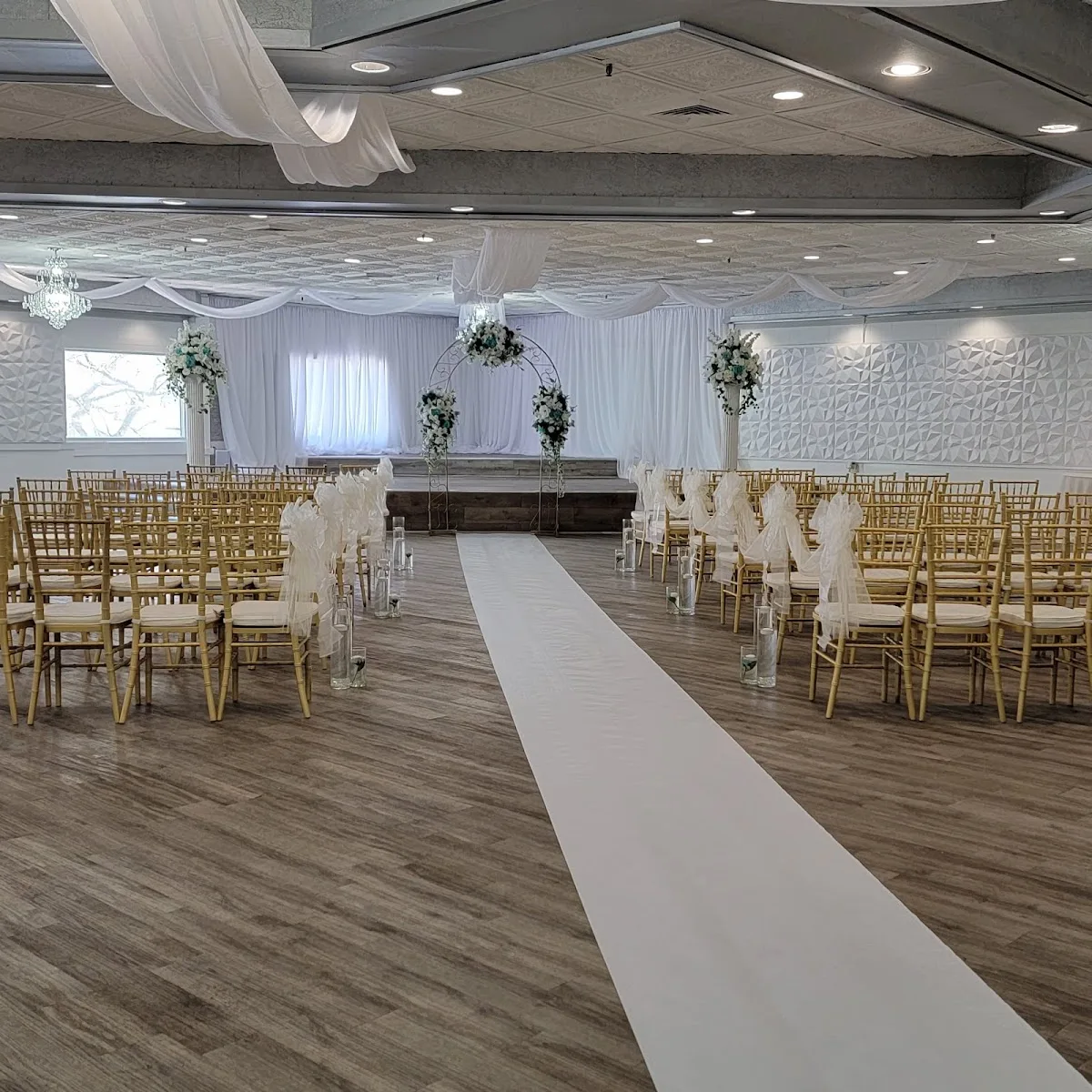
- Choose centerpieces and signage that work with the room’s sightlines (especially if you want a stage backdrop or ceremony arch look).
- Confirm how the room supports your reception “moment design,” such as first dance, toasts, or a dessert presentation.
- Ask whether your caterer or food service plan needs any coordination with venue operations.
Make your inquiry message match what the venue needs
The official page emphasizes that the team will respond with availability and options. Your best chance at a fast, useful reply is to include key constraints in the first message: target date or date range, estimated guest count, event format, and any “must-haves” that affect layout (stage needs, DJ booth size, accessibility considerations, or whether you want ceremony inside).
What to confirm before you sign anything
Even if you love the look, operational clarity is what protects your wedding day. Before committing, confirm the items that directly affect timing and logistics: approved vendor rules, load-in/out windows, guest entry flow, and which areas are suitable for décor placement. Also verify that your chosen contact details match your contract and your vendors’ arrival instructions.
If you plan your questions around the venue’s event-hosting process and build a walk-through map of guest and vendor routes, you’ll be set up for a smoother timeline at Lumière Hall.