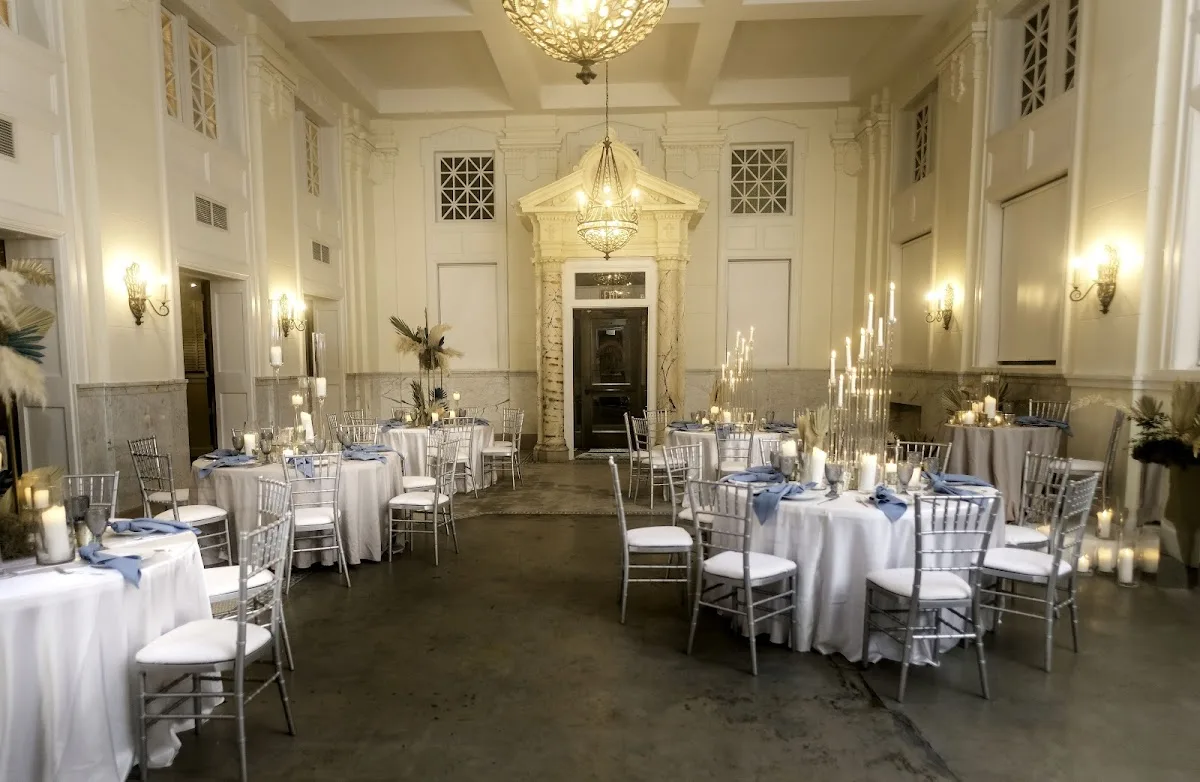
Dover Hall gives couples a wedding-planning question that goes beyond whether a venue looks impressive in photographs. The Manakin-Sabot estate combines a grand European-inspired setting with an events team and in-house culinary program, so the real evaluation is how the setting, service model, and event logistics fit the wedding being planned. Its public address is 1500 Manakin Rd, Manakin-Sabot, VA 23103, United States, a detail worth using when mapping guest travel, vendor arrival, and the tour route.
The estate setting should shape the ceremony-to-reception plan
A visually distinctive property can influence the entire design plan. Rather than treating the ceremony, cocktail hour, and reception as unrelated rooms, couples can ask how guests move through the experience at Dover Hall. Where would the ceremony begin? Is there a natural transition to drinks or photographs? Which areas are practical for dinner, dancing, and speeches? These questions help separate the appeal of the architecture from the usable event flow.
The venue’s public materials describe the property as a luxury European venue and feature both weddings and other celebrations. That positioning suggests a setting with a strong point of view, but it does not answer every layout question. A tour should therefore include a real or representative floor plan, likely guest routes, ceremony backup options, and the locations of restrooms, parking, vendor access, and service areas. Those details matter just as much as the visual character when guests include older relatives, families with young children, or anyone who needs a shorter, clearer route.
In-house cuisine deserves a detailed conversation
Dover Hall’s official website describes an in-house culinary program and calls cuisine one of its event priorities. That can simplify coordination, but “in-house” should become a set of specific planning questions rather than an assumption about what is included. Couples should request the current menu structure, tasting process, dietary accommodation approach, staffing plan, service timing, and beverage arrangements in writing.
It is also useful to ask how menu decisions affect the reception timeline. A plated dinner, stations, or passed courses can create different pacing for speeches, dancing, and photographs. Confirm who manages rentals, cake service, late-night food, and cleanup, if those items are relevant to the proposal. The goal is not to judge the cuisine from a headline; it is to understand which decisions are already coordinated by the venue and which remain the couple’s responsibility.
Service claims should be tested against responsibilities
The official site emphasizes genuine hospitality, intentional service, and thoughtful cuisine. Those are useful signals for a first conversation, while the contract and planning calendar should define what they mean operationally. Couples can ask who their primary planning contact will be, when that person joins the process, how vendor communication is handled, and who has authority on the wedding day.
Dover Hall’s public story says its Experiences team took over management of the estate house in 2017 and has hosted thousands of weddings and other events since then. That background may give couples context for the venue’s experience, but it should not replace a scope review. Ask for the current event timeline, setup and breakdown windows, rehearsal arrangements, rain or weather procedures, and any restrictions on outside vendors, décor, candles, amplified sound, or alcohol. Specific answers make the service model measurable.
Richmond-area access belongs in the guest plan
Because the venue is in Manakin-Sabot rather than a dense downtown setting, the address should be part of the guest-experience discussion from the beginning. Couples can use 1500 Manakin Rd when testing drive times from likely hotel clusters, arranging transportation, and giving vendors an accurate loading destination. The venue record identifies parking as an available amenity, but the planning team should confirm the current parking layout, accessible spaces, drop-off procedure, lighting, and shuttle needs directly.
Those questions are especially useful for a formal estate wedding. Guests may arrive in different groups, vendors may need separate access, and a beautiful property can still feel difficult if signage or arrival instructions are unclear. A practical tour should trace the route from vehicle arrival to ceremony seating and reception dining, not only visit the most photogenic rooms.
Reviews help set expectations, not settle the decision
Dover Hall is listed at 4.9 from 160 reviewers in the current venue record. That is a strong review signal and a useful reason to read recent comments for recurring themes about communication, hospitality, food, and event-day execution. Reviews are not a substitute for current terms, however, because an individual experience may not match the couple’s guest count, date, menu, or vendor arrangement.
For current pricing, availability, and booking details, couples can use the official website at http://www.doverhall.com/ or call +1 804-784-6051. Before committing, they should compare the written proposal with the desired ceremony flow, culinary plan, access needs, and responsibilities. Dover Hall’s grand setting may be the starting attraction; a clearly defined plan is what determines whether it is the right fit.