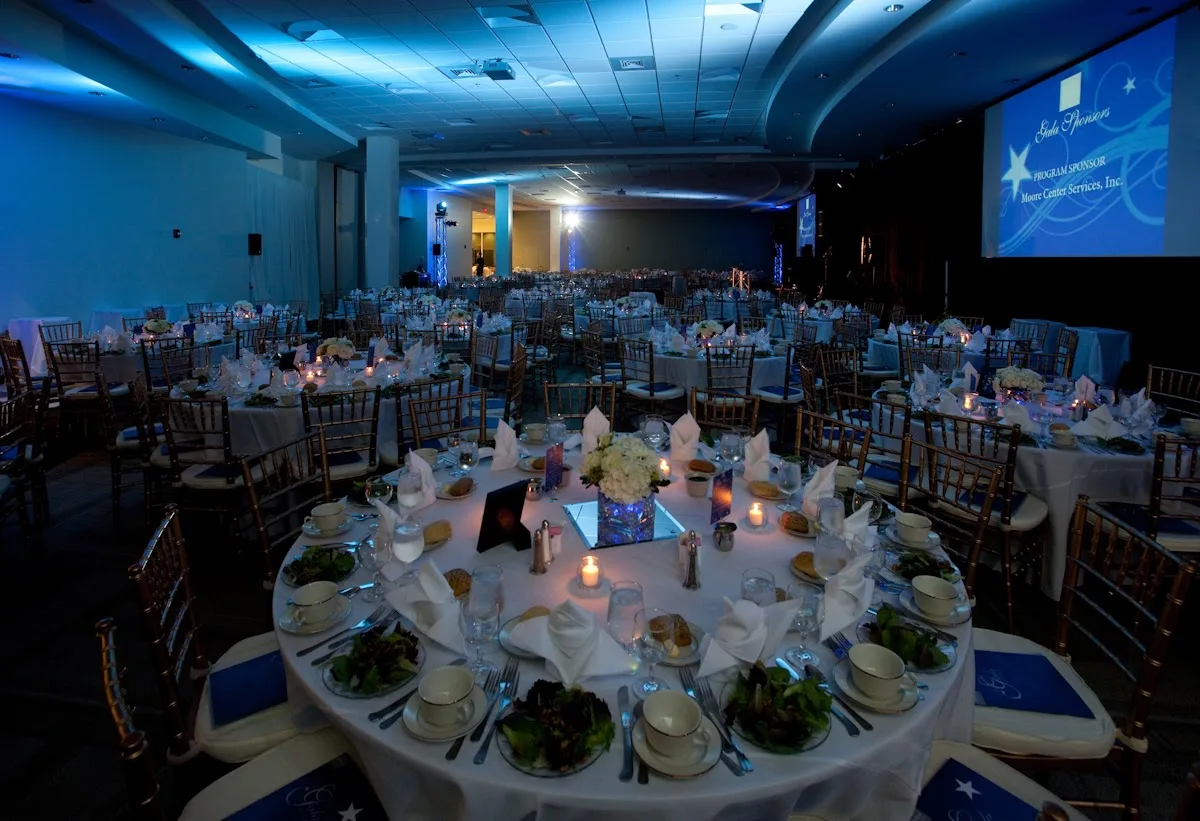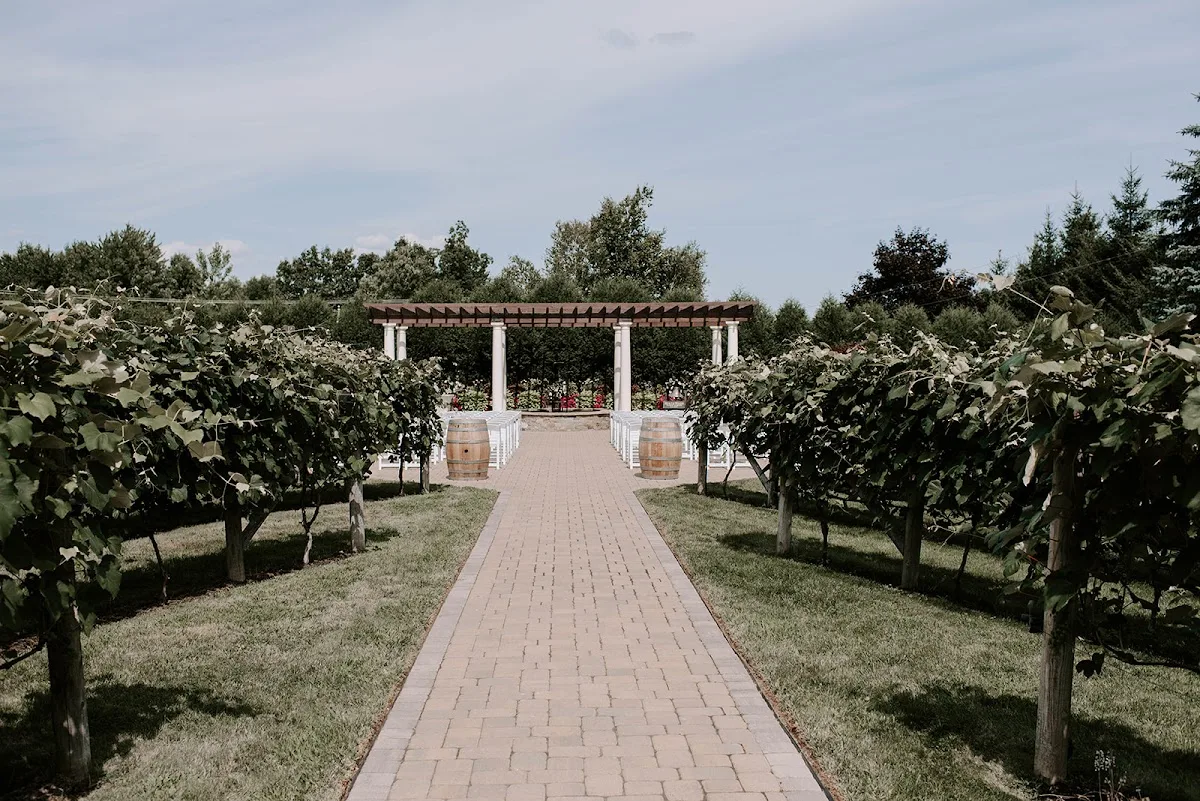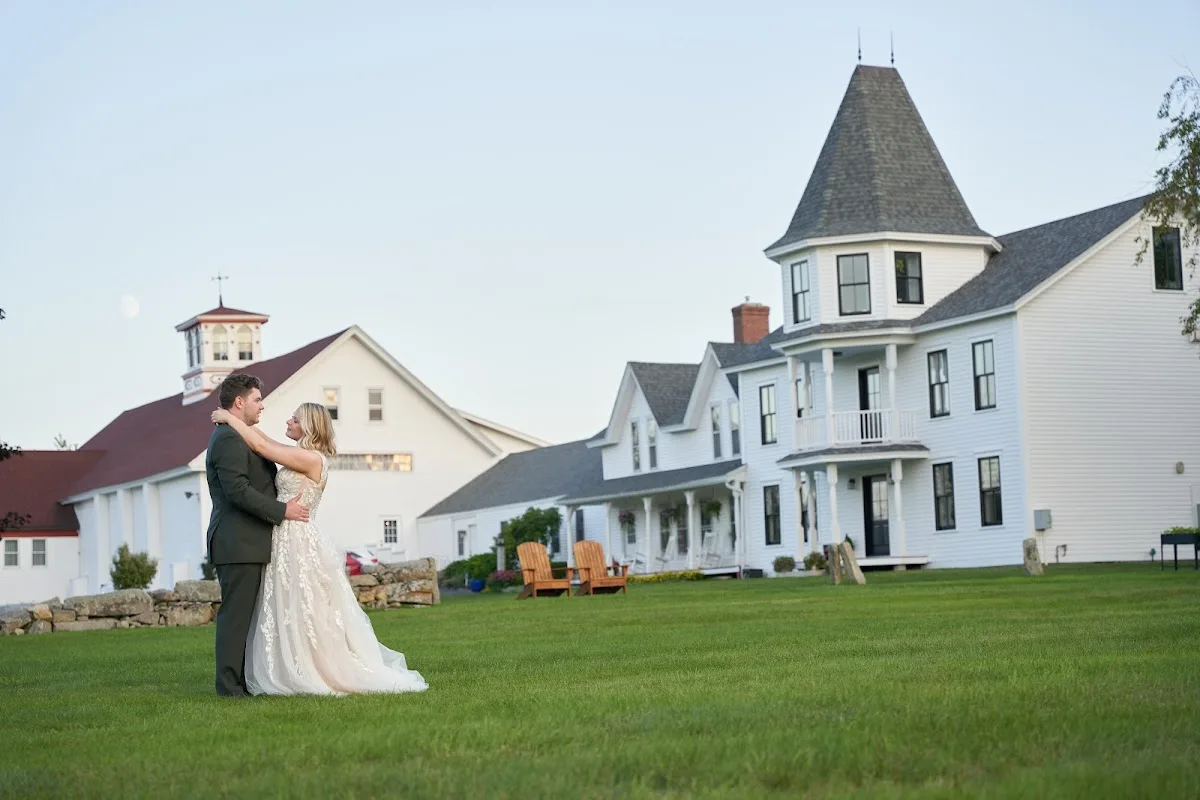
Dell-Lea Weddings & Events is a Chichester, NH venue designed for weddings that balance an outdoor-forward feel with the realities of a weekend schedule. If you’re starting your planning, the easiest way to avoid timeline friction is to build your ceremony-to-reception flow around two concrete factors Dell-Lea highlights: appointment-only tours and a 75-guest minimum for Friday, Saturday, or Sunday events. Once those are clear, you can focus on how guests move, where vendors set up, and how the plan changes if weather pushes you to shift indoors.
Plan your tour first: appointment-only visits shape your timeline
Dell-Lea states that tours are available Tuesday–Sunday by appointment only. Because tours affect your ability to lock in dates and vendor coordination, treat the visit as a milestone: confirm your target wedding date, then use what you learn on-site to guide the rest of your planning conversations.
If you need to check availability quickly, the venue also notes that you can book a tour within 24 hours or call to check availability when online options don’t fit. Before you send your final questions to vendors, confirm what you observed during your walkthrough—especially routes for guest arrivals and setup.
Use the weekend guest minimum as a budgeting and layout anchor
For couples planning a Friday, Saturday, or Sunday celebration, Dell-Lea’s 75-guest minimum is a decision point you should address early. Even when your estimate is close, think through the operational swing: RSVPs, last-minute additions, and how headcount changes flow into seating and timing.
During your tour, bring your expected guest list range and ask how the minimum is applied to your event. Then align your plan—who you expect at each moment of the day, when portraits happen, and how the reception setup will be sized to match the confirmed count.
Transition matters: ask how outdoor staging connects to indoor setup
In venues where the ceremony may be outdoors and the reception may move indoors, the experience hinges on the transition. It’s not only “indoor backup”—it’s whether the change feels deliberate and whether the day can keep moving without creating awkward downtime.
On-site, walk the path guests would take if the plan changes. Ask where ceremony items stage, what happens to the ceremony seating setup, and how quickly the space can be cleared or reshuffled. Also confirm whether there’s a clear route for moving wedding setup items between ceremony and reception, so vendors aren’t working through bottlenecks during peak arrival and setup windows.
Keep Dell-Lea’s contact details handy for planning calls
For documentation and consistent communication across vendors, Dell-Lea lists its address as 81 Pleasant St, Chichester, NH 03258, United States and a phone number at +1 603-435-8479. If you’re coordinating multiple planners, it helps to keep these details in your shared wedding operations notes so questions don’t get repeated or misrouted.
Start with the review signal, then confirm the day-of specifics
Dell-Lea shows a 4.9 rating based on 408 reviewers. That’s a strong starting signal that many couples felt supported by the experience. Still, “satisfaction” becomes useful only when you translate it into your specific day-of needs.
Use reviews as a prompt, not a substitute, by asking for concrete examples during your follow-up questions. For example: how does the venue coordinate vendor access during busy setup windows, what’s the typical sightline plan when combining ceremony and reception areas, and how does the schedule adjust if timing shifts (like a late ceremony start) or if weather changes your plan?
What to align before you commit
Before you finalize, focus your conversation on the details that affect flow and logistics: (1) your expected guest count relative to the 75-guest weekend minimum, (2) where ceremony staging connects to indoor reception setup, and (3) how appointment scheduling and availability work if you need adjustments within a short planning window.
If you want an outdoor-forward wedding that still feels smooth throughout the day, treat the Dell-Lea tour as your planning anchor—then build your timeline around the transition points you can observe and confirm.